 Sasha
Sasha Mike Chen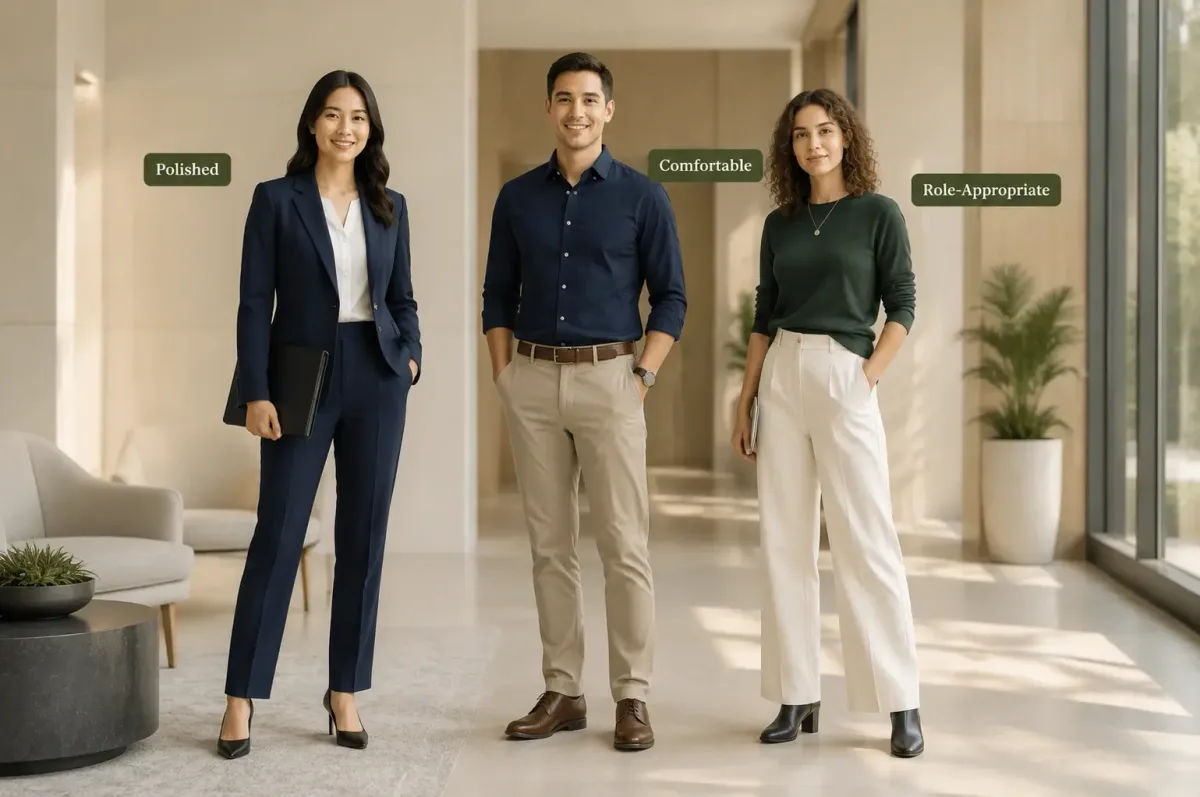
If you’re stressing about what to wear to a job interview, you’re not alone. There is no universal “correct” outfit anymore. What looks appropriate at one company may seem overdressed or underprepared at another.
A safer way to think about it is that your outfit should reduce distractions, not prove you’re qualified. Aim for “polished and intentional” so the conversation stays on your skills, examples, and way of thinking.
This guide will help you choose the right level of formality quickly. You can then adjust for the industry, interview format, weather, accessibility needs, and budget—without relying on a gendered rulebook.
How to Choose the Right Level of Formality
Most interview outfit advice fails because it starts with a list of clothes instead of a decision rule. The most reliable rule is simple: dress one level above the company’s everyday dress code. Coursera’s interview attire guide recommends this “one step up” approach. It signals respect for the interview without making you look out of place.
Why it works: interviews are a slightly more formal situation than daily work, but you still want to match the culture. Dressing one level up gives you a margin of safety.
Here’s what “one level above” looks like in real life:
- If employees wear jeans and T-shirts, interview in dark, clean jeans or chinos plus a collared shirt or refined knit, and consider a casual blazer.
- If employees wear business casual, interview in business casual plus structure (a blazer, a more formal shoe, or more tailored pieces).
- If employees wear suits, interview in full business professional attire (a matching suit with polished shoes).
How to Research the Company Dress Code
Then how do I find out what they wear for their day-to-day work? You don’t need insider knowledge. You need a few reliable signals:
- Check the company website for team photos.
- Look at LinkedIn posts about hiring events or office life.
- Scan the company’s social media for “day in the life” content.
- Watch recruiting videos or office tours.
- Look at people in roles similar to yours (not just executives).
- Re-read the interview invitation for dress code notes.
- If you’re unsure, politely ask the recruiter what’s typical.
Dress-code research is only one part of getting ready. Use this job interview preparation checklist to plan your examples, questions, logistics, and follow-up.
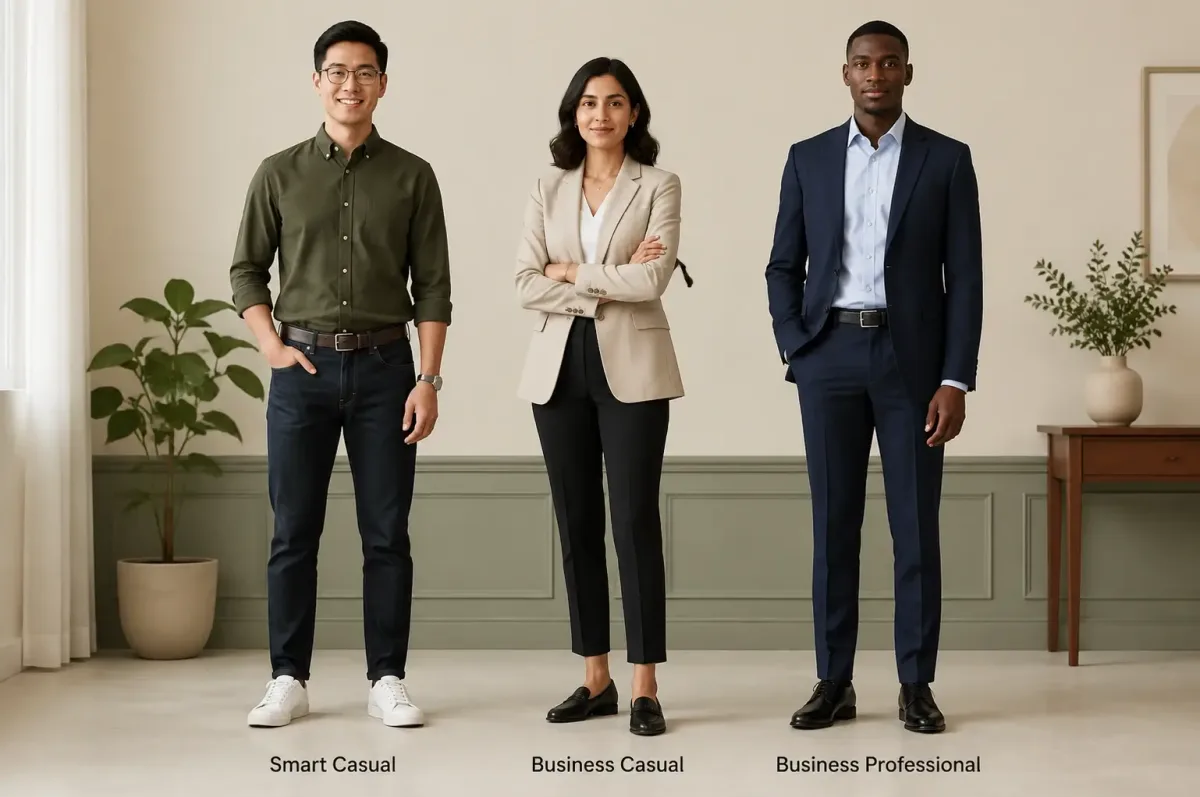
Three Common Interview Dress Codes
Use this as a starting point—then adjust one notch up if you’re not sure.
| Dress code | Typical environments | Base pieces | Safest interview upgrade |
|---|---|---|---|
| Smart casual | Startups, retail, some service roles | Dark jeans or chinos, a high-quality top, clean shoes | Add a structured layer or choose trousers |
| Business casual | Office roles, education, healthcare admin, nonprofits | Tailored pants or knee-length skirt, button-down/blouse/knit, optional blazer | Add a blazer or a more polished shoe |
| Business professional | Finance, law, consulting, executive roles | Matching suit, formal shirt, polished dress shoes | Keep the full suit and simplify accessories |
Pro Tip: If the company says “business casual,” you can still interview slightly more formally—think business casual plus a blazer and cleaner, more structured shoes.
A Simple Interview Outfit Decision Guide
When you’re stuck between two outfits, run this three-question check. The goal is to pick the safest option with the least second-guessing.
Question 1: What industry are you interviewing in? Traditional corporate; general office; creative or technology; retail or hospitality; trade/warehouse/field.
Question 2: What do employees normally wear? Formal; business casual; casual; unknown.
Question 3: What kind of interview is it? In person; video; on-site assessment; practical trial; site visit.
Now use these “if…then…” rules:
- If the industry is traditional and the dress code is unknown, choose business professional attire.
- If the company is casual but the role is client-facing, choose business casual.
- If the interview includes a site visit, prioritize safety and practical footwear.
- If the interview is virtual, choose camera-friendly colors and patterns.
Reliable Interview Outfit Formulas
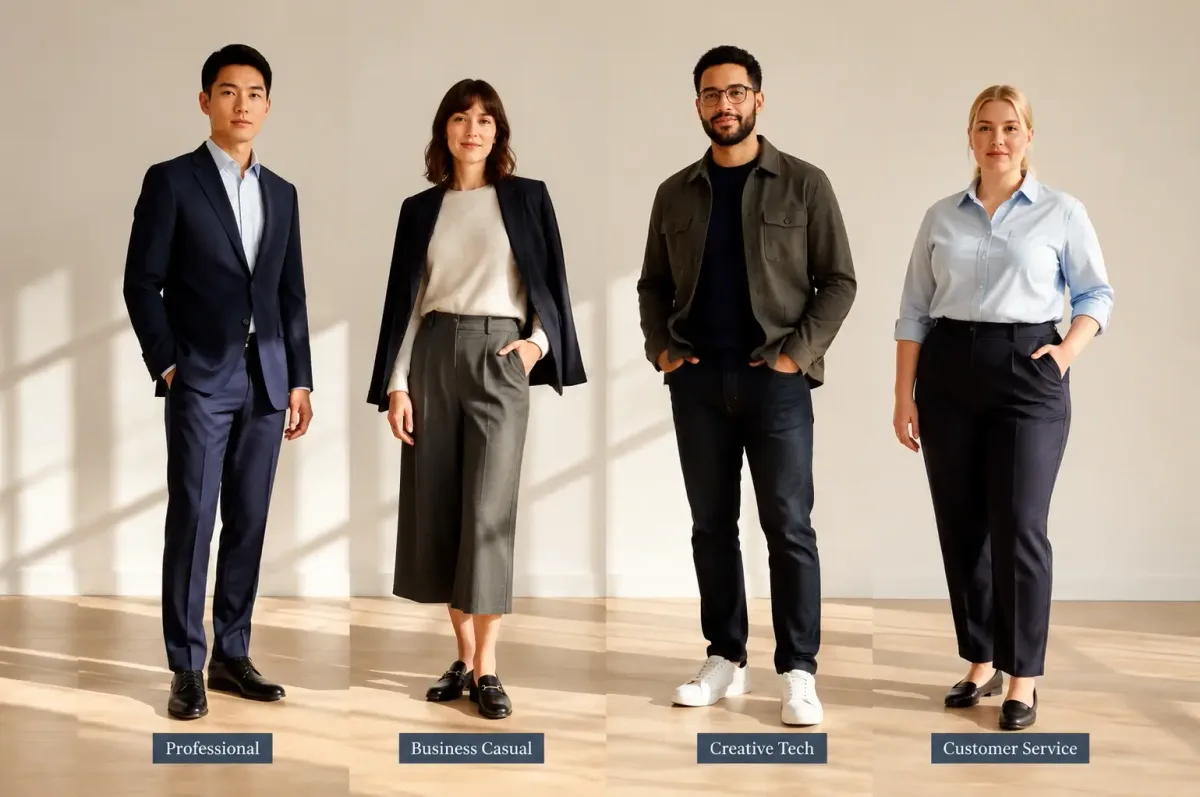
The easiest way to avoid outfit mistakes is to use a repeatable formula. Start with the level of formality, then adjust one element at a time (shoe, layer, or color).
These formulas are intentionally gender-neutral. Skirts, trousers, dresses, suits, and separates can all be professional. Religious and cultural garments also work with professional interview attire; apply the same principles of cleanliness, fit, and intention.
Business Professional Interview Outfit
Best for: finance, law, consulting, and senior or client-facing roles.
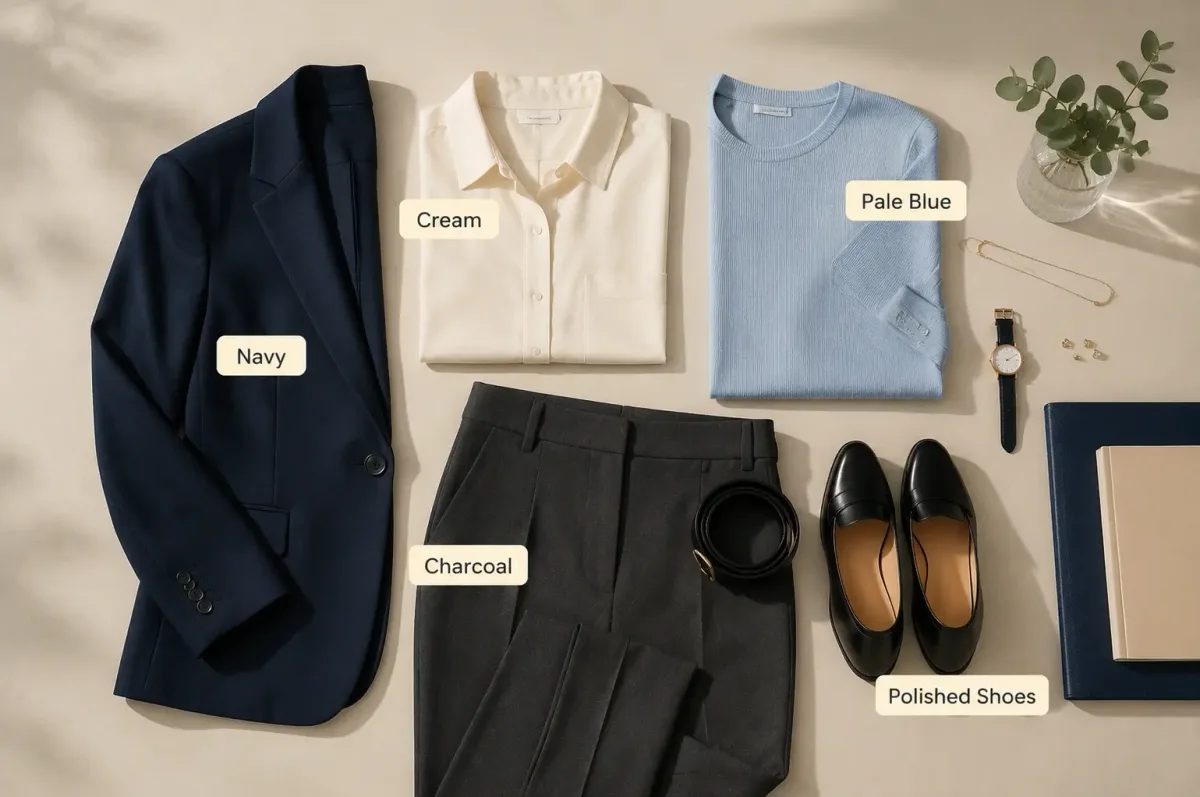
- Top: white, cream, or pale blue dress shirt or a polished blouse
- Bottom: matching suit trousers or a knee-length suit skirt
- Layer: navy, charcoal, or black suit jacket (matching the bottom)
- Shoes: loafers, oxfords, flats, or low heels (closed-toe)
- Recommended colors: navy, charcoal, medium gray, black
- Adjustable parts: a simple tie, scarf, or one understated accessory
- Avoid: loud patterns, overly trendy cuts, visibly worn shoes
Why this works: a suit creates a clean silhouette that quickly reads “prepared.” Your suit does not have to be black. Navy and charcoal often look modern while remaining conservative.
Business Casual Interview Outfit
Best for: most office roles, HR, education, healthcare admin, nonprofits, many sales roles.
- Top: button-down, blouse, or fine-gauge sweater
- Bottom: tailored pants, chinos, or a knee-length skirt
- Layer: blazer, cardigan, or structured overshirt
- Shoes: loafers, flats, ankle boots, or dress shoes
- Recommended colors: navy, gray, cream, muted earth tones
- Adjustable parts: add/remove a blazer; swap shoes for a more formal pair
- Avoid: wrinkled cotton tees, thin leggings as pants, open-toe sandals
Why this works: business casual is flexible, but interviews reward structure. A blazer (or any structured layer) is the fastest way to move from “workday okay” to “interview ready.”
Creative or Tech Interview Outfit
Best for: tech, startups, design, media—especially when day-to-day dress is casual.
- Top: quality knit, collared shirt, or simple top with a clean neckline
- Bottom: dark, non-distressed jeans or tailored trousers
- Layer: relaxed blazer, chore jacket, or cardigan
- Shoes: minimal sneakers, loafers, boots, or flats (clean and simple)
- Recommended colors: neutrals plus one restrained accent color
- Adjustable parts: one “personal style” element (texture, color, accessory)
- Avoid: workout gear, heavily branded hoodies, dirty athletic shoes
Why this works: creative environments often allow more personality, but “casual” still needs to look intentional. Cleanliness, fit, and one structured piece usually separate a weekend outfit from an interview outfit.
Retail, Restaurant, or Customer Service Interview Outfit
Best for: retail, hospitality, restaurant, front-desk, and other on-your-feet roles.
- Top: clean collared shirt, blouse, or polished knit
- Bottom: dark pants or chinos
- Layer: optional simple jacket or cardigan
- Shoes: closed-toe shoes you can stand and walk in comfortably
- Recommended colors: dark neutrals, medium gray, navy
- Adjustable parts: add a simple layer if you want more polish
- Avoid: ripped jeans, graphic slogans, loud logos, visibly dirty sneakers
Why this works: these roles often signal reliability through neatness and practicality. Overly formal outfits can look disconnected from the job, but sloppy clothing reads as a risk.
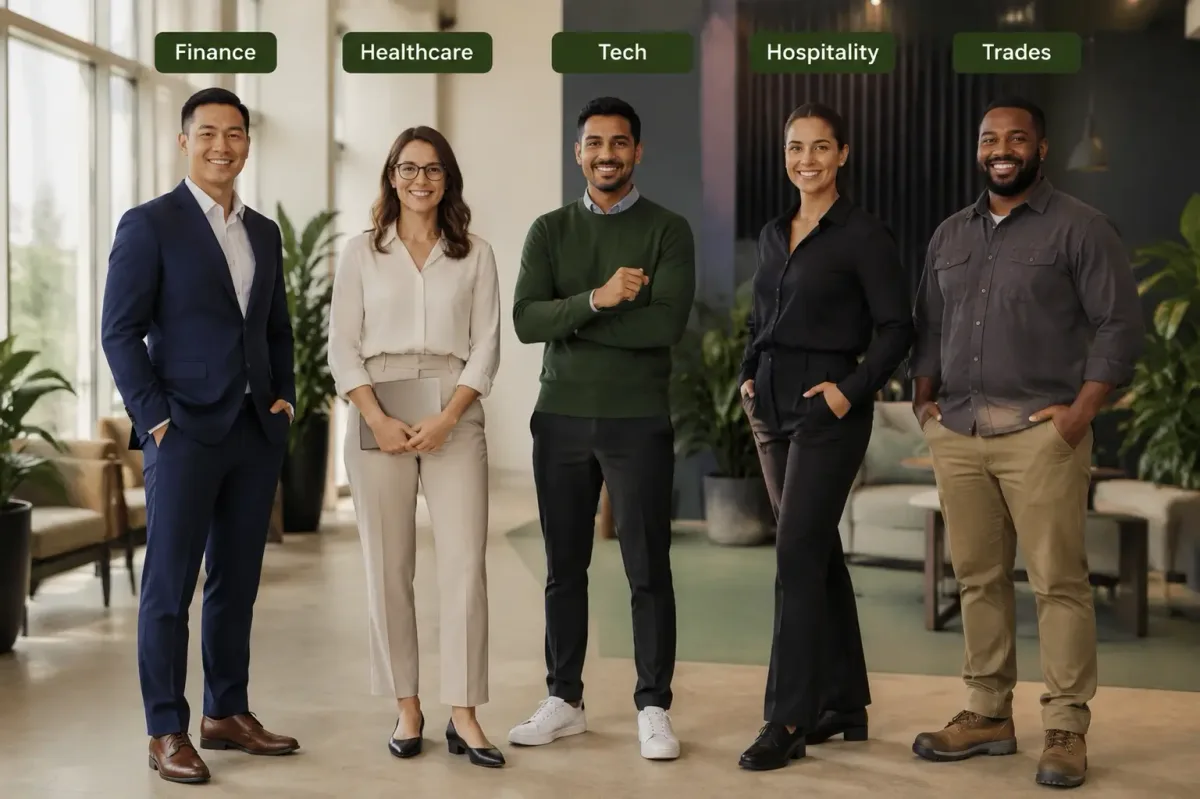
What to Wear by Industry and Role
Industry norms aren’t about “rules.” They’re about what signals trust in that environment—client expectations, safety, hygiene, and how often you represent the company externally.
| Industry or role | Recommended level | Outfit formula | Special consideration |
|---|---|---|---|
| Finance, law, consulting | Business professional | Suit, formal shirt, polished shoes | Conservative, frequent client contact |
| General office, HR, sales | Business casual to professional | Tailored separates, blazer | Adjust up if client-facing |
| Healthcare | Business casual | Tailored pants, modest top, closed-toe shoes | Unless requested, don’t default to scrubs |
| Education and nonprofit | Business casual | Comfortable separates, cardigan | Balance approachability with polish |
| Tech and startup | Smart casual to business casual | Dark jeans or trousers, quality top | Managers/sales often dress more formally |
| Creative and media | Polished creative | Basics + one personal element | Avoid looking like everyday lounging |
| Retail and hospitality | Smart casual | Dark pants, polished top | Shoes should handle long standing |
| Restaurant and fast food | Smart casual | Collared shirt, dark pants, closed-toe shoes | Cleanliness and hygiene matter most |
| Warehouse and skilled trades | Clean smart casual | Durable pants, polo, safe footwear | Bring PPE if requested |
| Internship or first job | One level above workplace | Chinos, polished top, clean shoes | Don’t overcorrect into a full suit |
Three worked examples show how to apply the rule. They are decision examples, not universal dress codes:
- Bank customer service role: The signals are a traditional culture and frequent client contact. The safest choice is a navy suit, light shirt, and polished shoes. This keeps the focus on your communication.
- Software engineering role at a startup: The signals are a casual office and limited client contact. Dark jeans or trousers, a quality knit, and a clean layer look prepared without feeling out of place.
- Restaurant host or first job: The signals are long periods of standing, customer contact, and high hygiene expectations. Dark pants, a clean collared shirt, and comfortable closed-toe shoes communicate reliability.
How to Choose Interview Colors, Shoes and Accessories
Small choices (color, shoes, accessories) can create big distractions. Your goal is calm and intentional—especially if you already feel nervous.
Best Colors for an Interview
Reliable options include:
- navy
- charcoal
- medium gray
- black
- cream
- white
- pale blue
- muted earth tones
Neutral doesn’t mean boring. A restrained accent color can work well—especially in creative fields—but the safest default is a simple palette that won’t compete with your face.
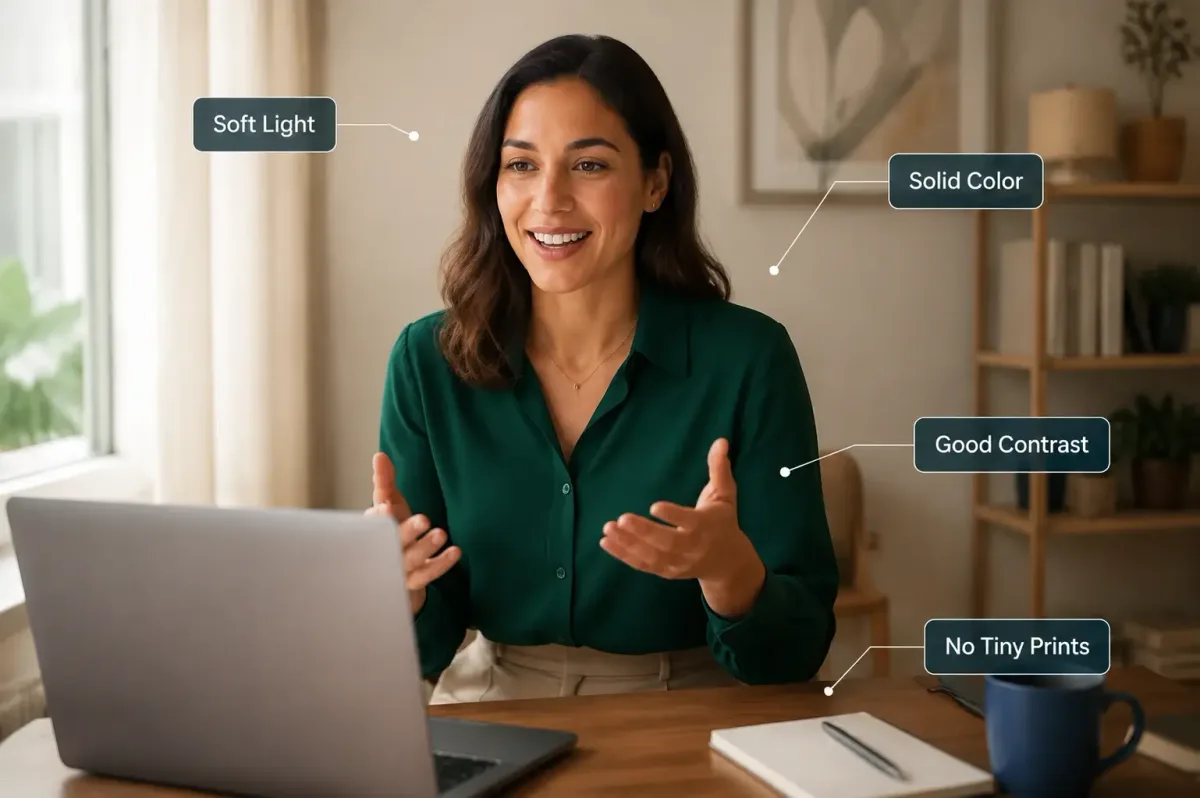
For video interviews, choose a solid color that stays visually distinct from your background. Test it with your actual camera and lighting instead of judging it only in a mirror.
Best Shoes for an Interview
Good defaults (depending on formality):
- loafers
- oxfords
- flats
- low heels
- simple boots
- minimal sneakers (only when the company is truly casual)
Why shoes matter: interviewers may notice them, and uncomfortable shoes can distract you. Wear a pair you have already broken in. Adjust for the weather, walking distance, venue, and any on-site safety requirements.
Accessories, Fragrance and Grooming
Missouri State’s dressing-for-success guidance emphasizes a conservative approach: keep jewelry minimal, avoid strong scents, and focus on a clean, neat presentation.
Practical rules:
- Choose accessories that don’t clink or jingle.
- Skip strong fragrance (or go fragrance-free).
- Keep documents organized in a folder or simple bag.
- Prioritize lint-rolling, minor repairs, and ironing over expensive labels.
What to Wear to a Virtual Interview
Treat a virtual interview like an in-person interview in terms of formality. The Muse’s interview outfit guidance (updated 2024) notes that you can be slightly more relaxed while still looking polished.
Dress fully, not just from the waist up. Missouri State’s video interview guidance recommends complete interview attire. You may need to stand, and dressing fully can help you stay in a professional mindset.
To look good on camera:
- Choose solid colors that contrast with your background.
- Avoid tiny stripes, small checks, and high-contrast patterns that can shimmer on webcams.
- Test your full outfit with your actual camera, lighting, and background.
- Check for glasses glare, noisy jewelry, and awkward necklines when you move.
- Keep a backup top or layer nearby in case of spills or tech delays.
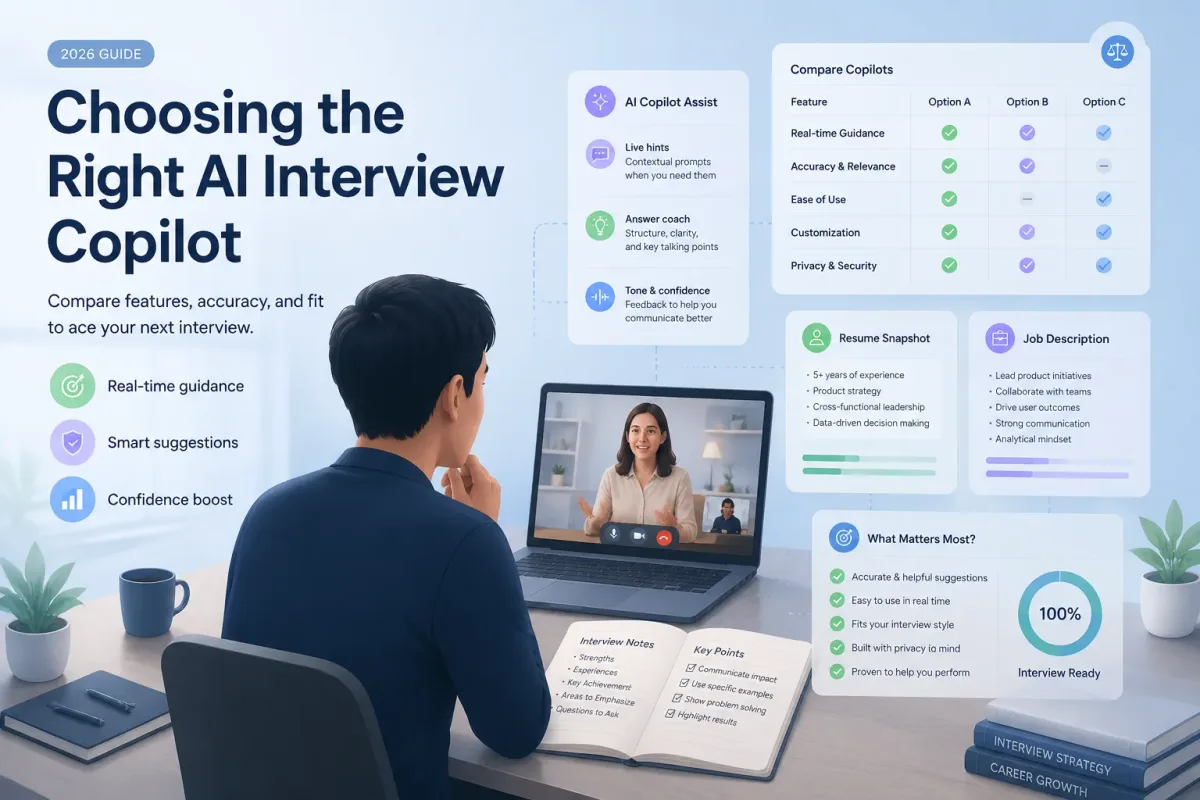
If you are comparing practice or real-time support options, review this AI interview copilot comparison guide before choosing a tool.
Weather, Comfort and Accessibility
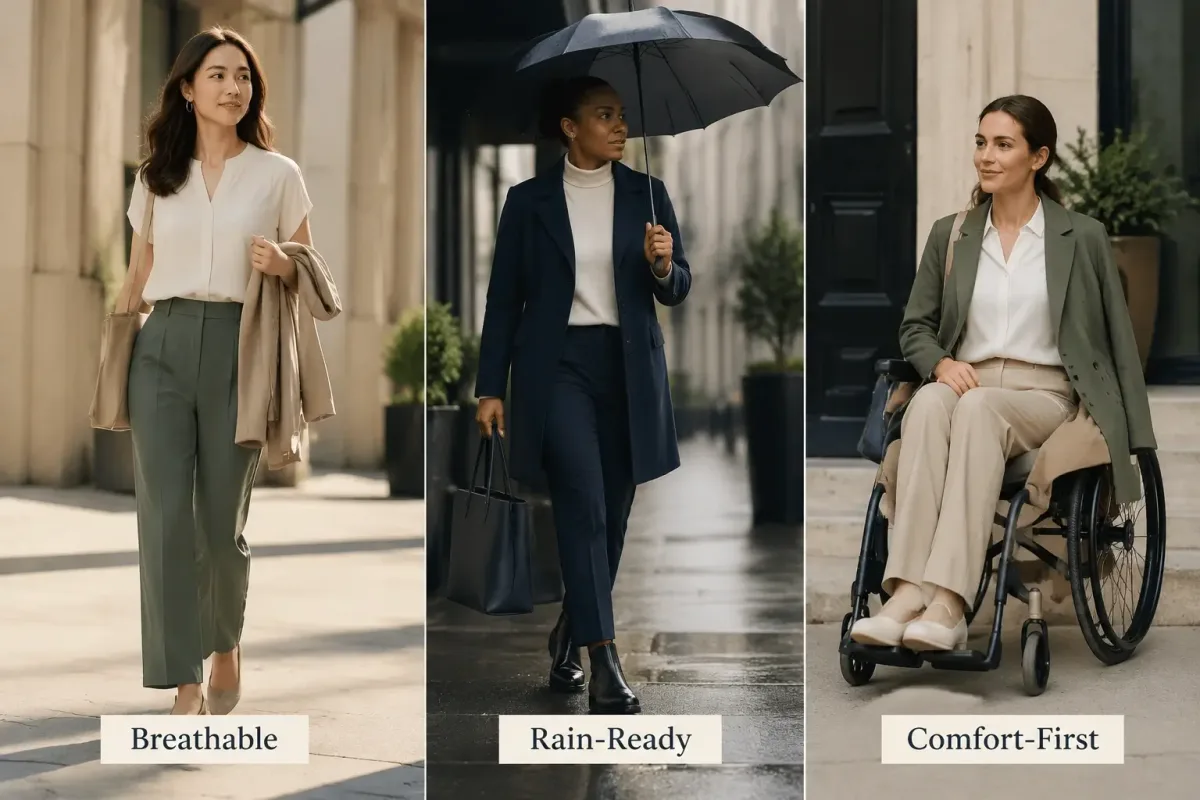
Looking polished should not require discomfort or compromise your safety. Comfort is not “less professional.” It helps you focus on the interview.
Hot-Weather Interview Outfits
- Choose breathable fabrics like lightweight wool blends, cotton poplin, linen blends, or breathable knits.
- If you’ll overheat commuting, carry your blazer or structured layer and put it on right before you go in.
- Arrive early so you have time to cool down and fix hair or makeup if you wear it.
Cold or Rainy Weather
- Wear a clean coat that’s long enough to cover your outfit.
- Bring an umbrella and a lint roller (wet fabric attracts lint).
- Pack backup socks or tights and, if needed, a spare pair of shoes.
- Don’t let a wet coat or soaked shoes throw off your first few minutes—give yourself time to reset.
Comfort and Accessibility
Professional attire should work with your real needs:
- Mobility aids and medical devices are part of professional life—plan your outfit around secure fit and ease of movement.
- If you have sensory needs, prioritize fabrics and seams that won’t distract you.
- If you regulate temperature differently, choose layers you can remove without looking disheveled.
- Adaptive clothing and supportive footwear are valid professional choices.
If a dress-code recommendation conflicts with safety or medical needs, choose safety and function first. Add polish through clean lines, neat grooming, and a structured layer when appropriate.
How to Look Polished on a Limited Budget
You do not need expensive clothes to look interview-ready. Fit, cleanliness, and preparation matter more than a designer label.
Start here:
- Use your best existing basics first.
- Borrow a structured blazer or a more formal shoe if you can.
- Check thrift and consignment stores for high-quality fabrics.
- Spend money on simple alterations (hemming pants, taking in a waist) before buying new items.
- Look for career-closet programs through universities, libraries, employment centers, or nonprofits.
If you need to spend money, prioritize it in this order:
- Fit, cleaning, and minor repairs
- Comfortable, role-appropriate shoes
- One versatile polished top
- An optional blazer or structured layer
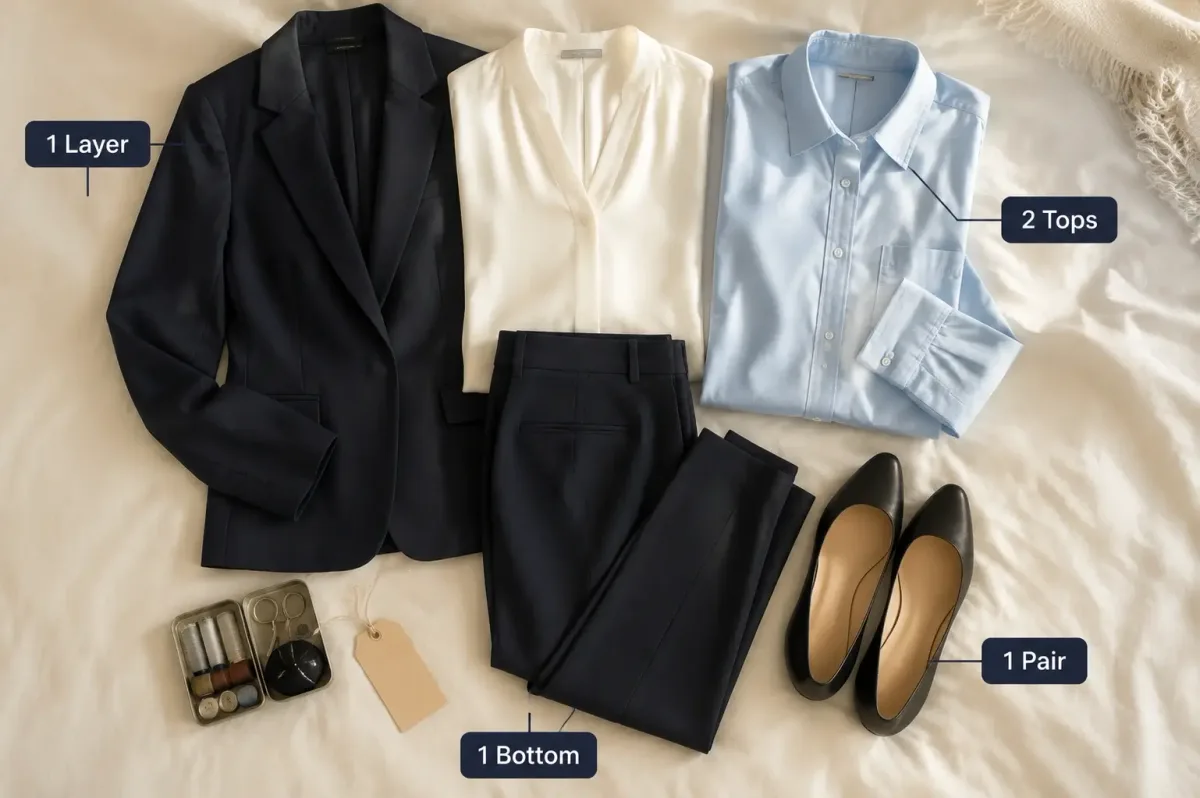
A simple capsule formula:
- One navy or charcoal layer
- Two polished tops
- One tailored bottom
- One pair of clean closed-toe shoes
What Not to Wear to a Job Interview
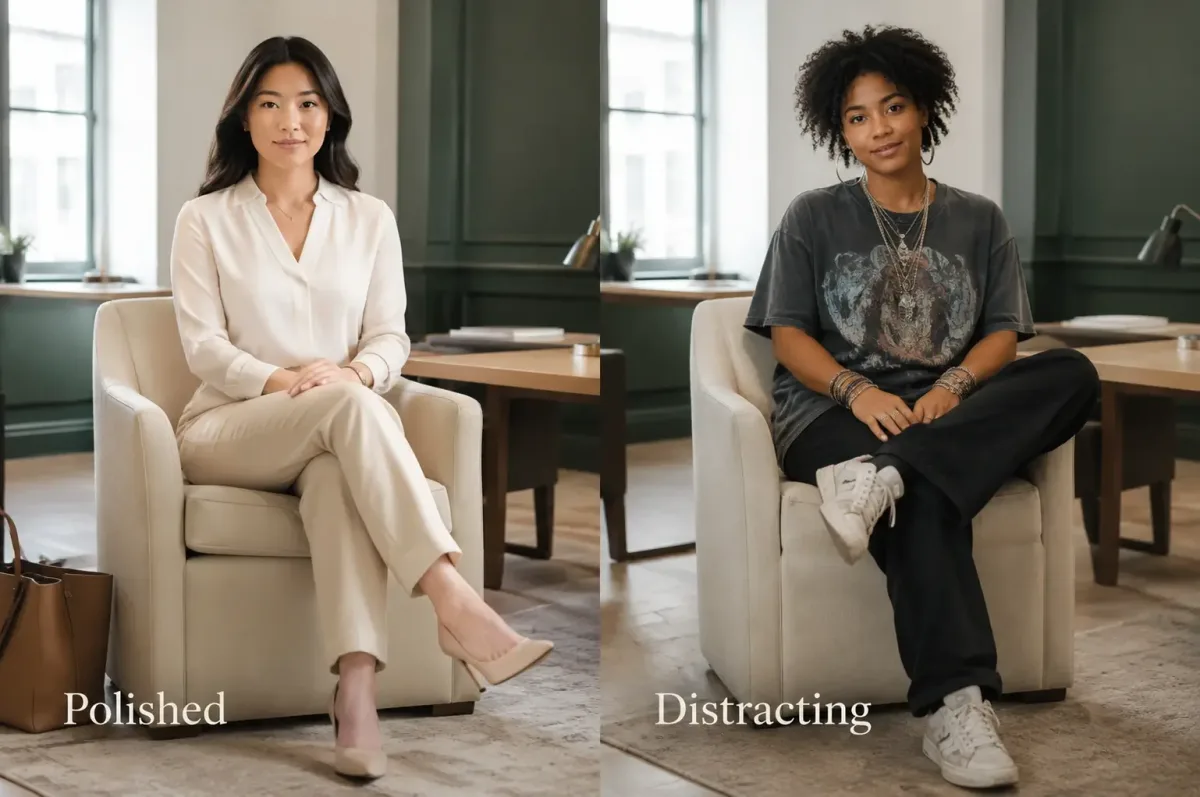
Instead of memorizing fashion rules, focus on avoiding distractions and obvious red flags.
Do
- Clean, repaired clothing
- Comfortable fit
- Quiet accessories
- Practical shoes
- Light or no fragrance
- Simple patterns
Avoid
- Stains, wrinkles, and missing buttons
- Pet hair
- Strong fragrance
- Noisy jewelry
- Large slogans or controversial graphics
- Extremely tight items you keep adjusting
- Brand-new shoes you’ve never worn
Can You Wear Jeans to an Interview?
Sometimes—but it depends on what’s normal at the company.
If the company is clearly casual (and your role isn’t in a traditional or client-heavy environment), dark, clean, non-distressed jeans can work. Pair them with a more polished top and a structured layer.
If the dress code is unknown, jeans add risk. Chinos or tailored trousers are usually a safer “one level up” choice.
Can You Wear Sneakers?
Sometimes—but keep them minimal.
In tech, creative, retail, and active roles, simple, clean sneakers may fit the environment. The key is that they shouldn’t look like training shoes.
For finance, law, and senior leadership roles, sneakers usually work against you—choose a polished closed-toe shoe instead.
Night-Before Interview Outfit Checklist
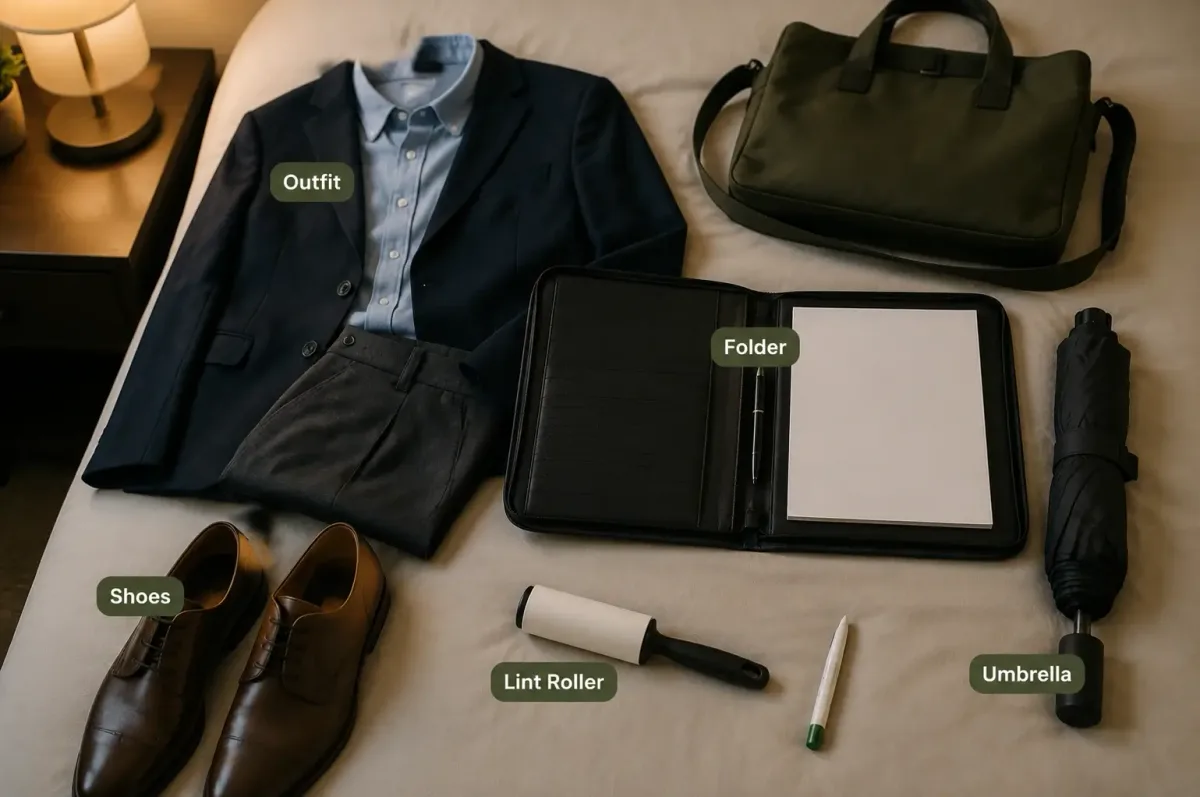
- Outfit matches the likely dress code
- Clothing is clean and wrinkle-free
- No lint or pet hair
- Outfit is comfortable sitting and standing
- Shoes are clean and broken in
- Accessories are quiet
- Pockets are free of bulky or noisy items
- Tags, loose threads, buttons, hems, and closures are checked
- Documents and bag are ready
- Interview invitation and recruiter instructions are checked
- Outfit checked in natural light or on camera
- Backup top, stain pen, lint roller, and umbrella are ready
Once your outfit is ready, prepare several thoughtful questions to ask in the interview so you can finish the conversation with confidence.
Conclusion
The most reliable rule is still the simplest: dress one level above the company’s everyday look. Start with clean, well-fitting, comfortable pieces. Keep colors and accessories understated, then adjust for the role, interview format, weather, and your practical needs.
Once your outfit is decided, shift your attention to what wins interviews: clear stories, relevant examples, and thoughtful questions. Rehearse your key points, confirm the logistics, and give yourself enough time to arrive or join the call calmly.