

Feeling guilty about saying no is normal. It also passes. An offer is a business proposal, not a favor you owe back. In my coaching work, the declines that go wrong are almost never the prompt, polite ones. They're the ones that never got sent.
Here is a decline job offer email you can send with minimal editing:
Subject: [Job Title] Offer | [Your Name]

Hi [Hiring Manager's Name],

Thank you for offering me the [Job Title] position at [Company]. After careful consideration, I have decided to decline the offer. I appreciate the time you and the team spent speaking with me and helping me understand the role.

I wish you and the team the best. I hope we can stay in touch.

Best,
[Your Name]
The reason is optional. Delete the stay-in-touch sentence if you do not mean it.
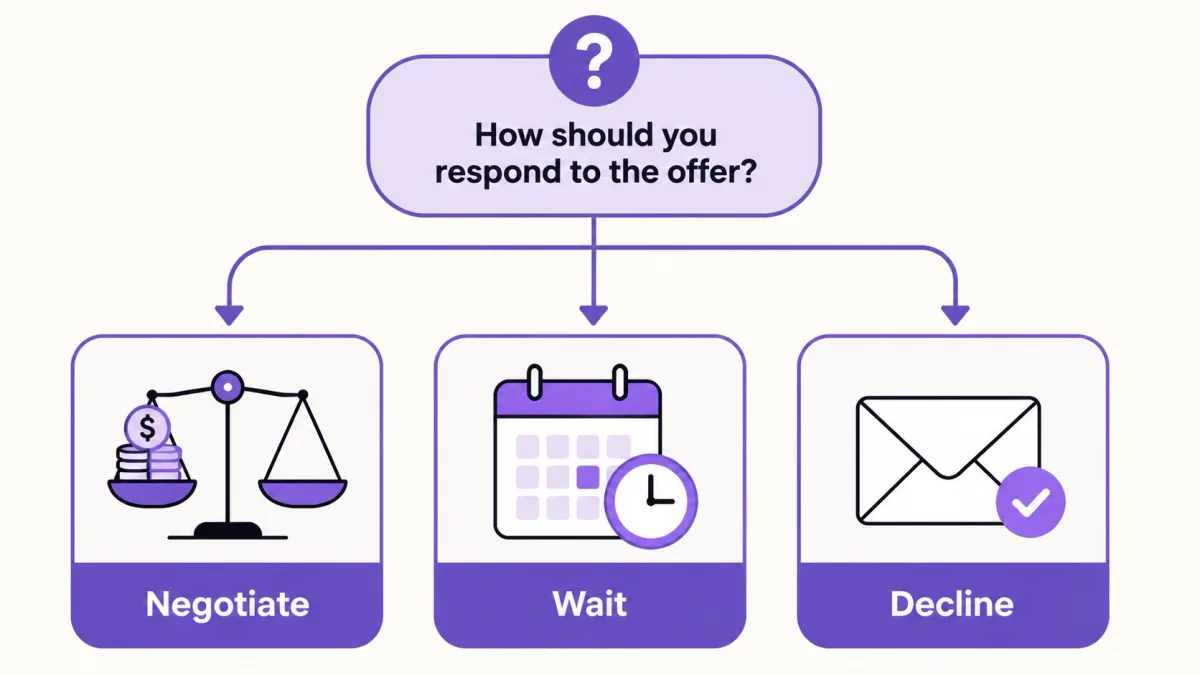
Before You Decline: Should You Negotiate or Ask for More Time Instead?
Do not reject an offer before you identify the actual problem. If one changed term would produce a yes, you have a negotiation decision, not a rejection decision.
| Question | If yes | Best next action |
|---|---|---|
| Would you accept if compensation, schedule, title, location, scope, or another condition improved? | Yes | Negotiate before declining. |
| Are you missing information or waiting on another decision? | Yes | Ask a focused question or request a specific extension. |
| Are you certain you would refuse even if the employer adjusted the offer? | Yes | Decline promptly. |
A disappointing salary does not automatically mean you should decline. Would you take the job at a higher number? Then ask for the higher number. The pattern I see most often in coaching sessions is a candidate drafting a rejection when what they actually want is a raise. Do not disguise a negotiation as a rejection and expect the employer to guess.
If you need time, request a date rather than an open-ended delay:
Thank you again for the offer. I am completing my final review. Would it be possible for me to confirm my decision by [Day, Date]?If one term needs discussion, open the negotiation directly:
Thank you for the offer. I am interested in the role. Before I decide, could we discuss the compensation package and whether there is flexibility on [specific term]?One more thing. Do not invent a competing offer to create leverage. A false story can turn a manageable conversation into a credibility problem, and recruiters talk to each other.
How to Decline a Job Offer in Five Steps
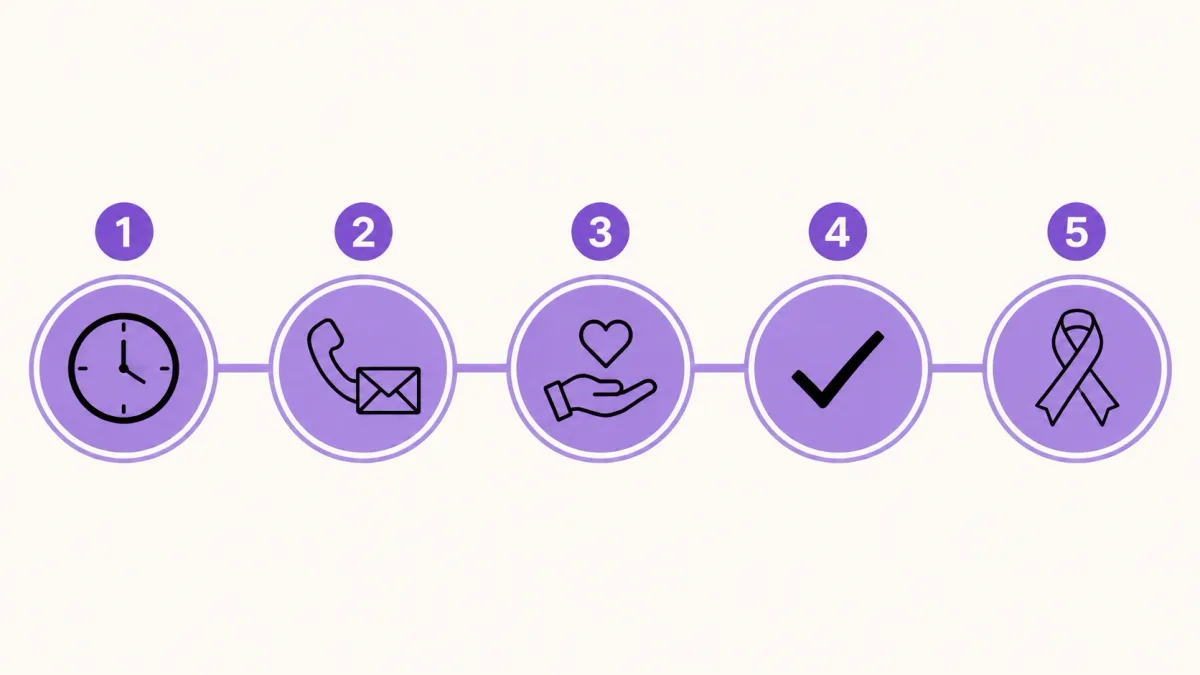
1. Decide and respond promptly
Once you know you will not accept, reply. Waiting until the deadline because the message feels awkward wastes the employer's time and buys you nothing. If the company gave you a response date, answer before it when possible.
2. Choose email, phone, or both
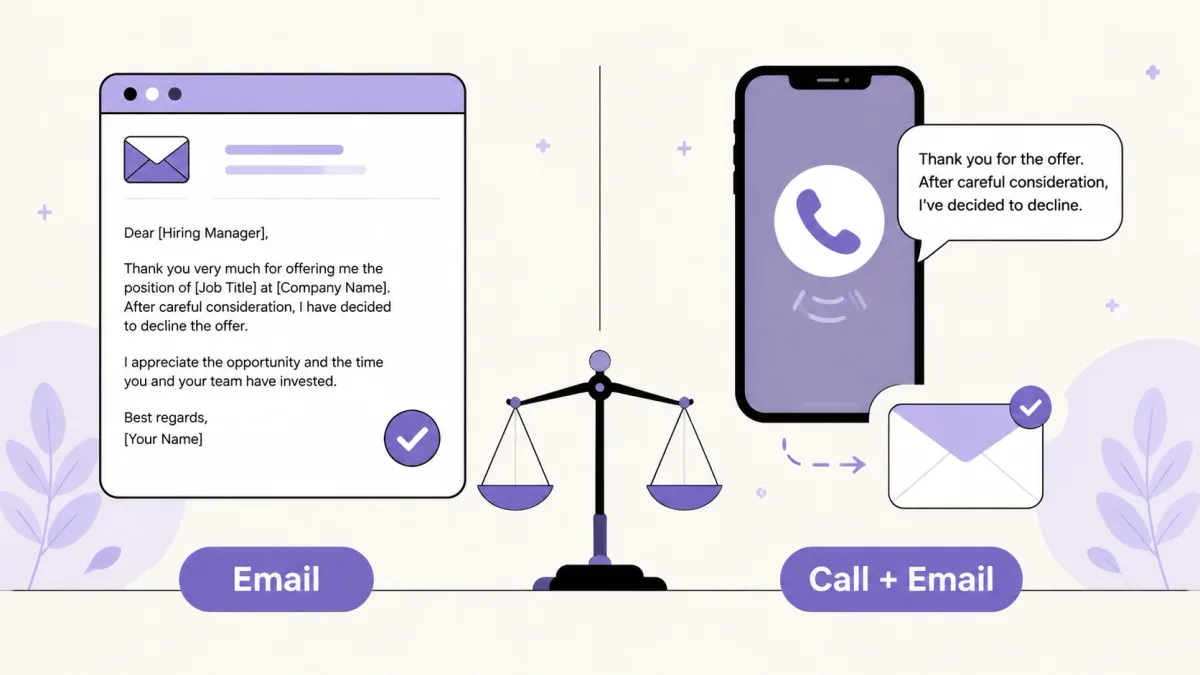
Email handles most routine offers. A short call followed by an email makes sense when the process ran long, when the role is senior, or when you built a real relationship with the people involved. It is also the right move when you are withdrawing an acceptance. Pick the channel you can actually use promptly. The full decision table is below.
3. Thank the employer specifically
Thank the employer for the offer and the time invested. One concrete reference sounds more human than a paragraph of praise:
- "I appreciated learning how the team plans its product roadmap."
- "Thank you for introducing me to the people I would have worked with."
That's it. You are closing a loop, not writing a testimonial.
4. State the decision clearly
Use wording that cannot be mistaken for a request to negotiate:
- "I have decided to decline the offer."
- "I will not be accepting the position."
Avoid phrases such as "I do not think this will work right now." Vague language invites follow-up because the employer cannot tell whether your answer is final.
5. Keep the reason brief and close respectfully
One neutral sentence is enough if a reason helps. No reason at all is also fine. End with good wishes, and add a future-contact line only when you would welcome that contact.
Most decline drafts I review are three times longer than they need to be. The extra length is anxiety, not information. If your message does not fit on one screen, you are writing for your own comfort rather than for the reader. That is how to turn down a job offer without writing a defense: gratitude, a clear decision, optional context, and a clean close.
Should You Decline a Job Offer by Email or Phone?
Phone is not automatically more respectful. A prompt, unambiguous email beats a delayed call you keep avoiding.
| Situation | Recommended channel | Why |
|---|---|---|
| Standard offer after a typical interview process | It is clear, efficient, and provides a written record. | |
| The recruiter has handled communication by email | It follows the established channel. | |
| Senior role, extensive process, or strong personal relationship | Short call, then email | The call acknowledges the relationship; the email confirms the decision. |
| You already accepted the offer | Prompt call when practical, then email | This communicates urgency and documents the withdrawal. |
| A call would make you over-explain or yield to pressure | A controlled written response is better than avoidance. |
SHRM's Ask HR column suggests a phone conversation followed by an email, while noting you don't need to explain in great detail. Treat that as one good option, not a rule.
Use this call opening:
Hi [Name], thank you again for the offer and for the time you and the team invested. I have made my decision, and I will not be accepting the [Job Title] role. I wanted to tell you promptly so you can move forward. I will send a short email to confirm.Then send this written confirmation:
Thank you for speaking with me today. As discussed, I am writing to confirm that I am declining the [Job Title] offer.Do You Need to Give a Reason?
No. Most ordinary declines do not require a detailed explanation.
A short, truthful reason can provide context, but you do not owe the employer private information. Use one of these lines only if it is accurate:
- "I have accepted another position that is a closer match for my current goals."
- "After considering the full package, I have decided the opportunity is not the right fit for me."
- "I have decided to remain in my current role."
- "For personal reasons, I am unable to move forward with the position."
- "I have decided to pursue a different direction and will not be accepting the offer."
If the recruiter asks for details you do not want to share, hold the boundary:
I appreciate your understanding. I prefer to keep the details private, but I wanted to let you know promptly so you can continue the search.Do not use the decline message to unload your criticisms of the manager, the company, or the process. If the employer asks for feedback and you can give it calmly and factually, decide then whether it is worth sharing. Usually it is not.
Job Offer Decline Message Builder
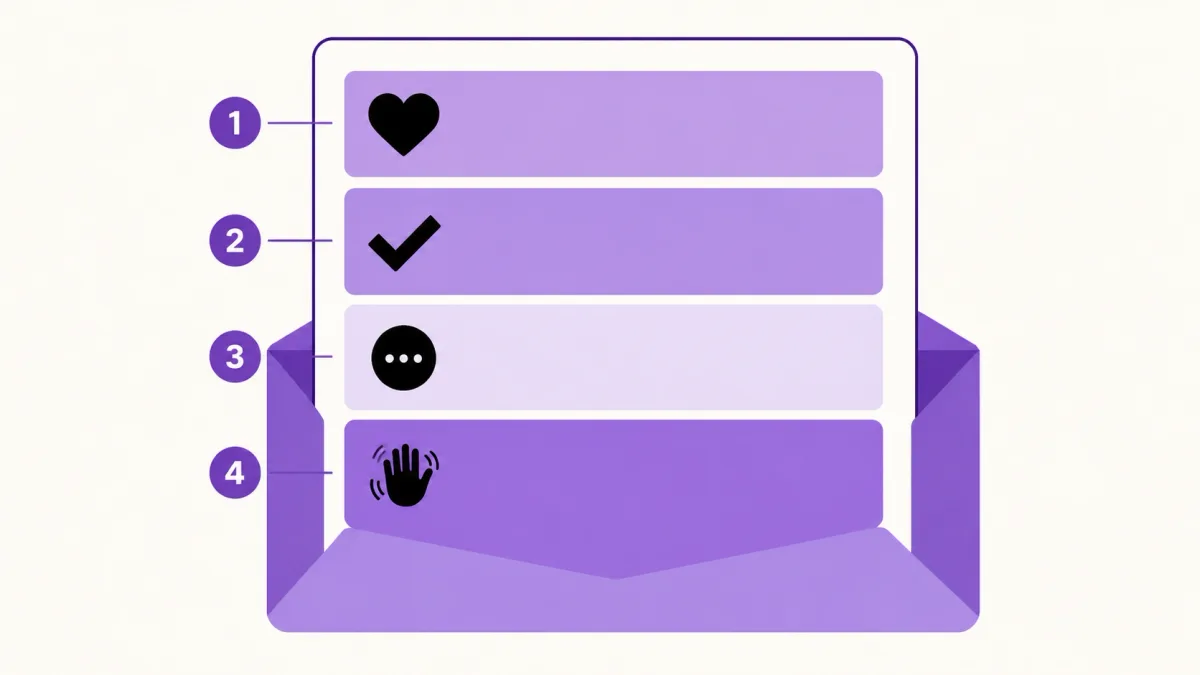
Build your message from four parts:
- Gratitude: Thank the employer for the offer and time.
- Decision: Say that you are declining or withdrawing.
- Optional context: Add one honest, neutral sentence.
- Close: Offer respectful good wishes and, if sincere, future contact.
Choose a template by stage and reason:
| Stage | Reason | Relationship goal | Use this template |
|---|---|---|---|
| Before accepting | Another offer | Stay connected | Template 1 |
| Before accepting | Compensation | Leave room for future roles | Template 2 |
| Before accepting | Role or fit | Clean close | Template 3 |
| Before accepting | Personal or private | Protect privacy | Template 4 |
| Before accepting | Staying with current employer | Stay connected | Template 5 |
| Already accepted | Withdrawing | Minimize disruption | Template 6 |
Before sending, delete any sentence that sounds like a courtroom defense. You are communicating a decision, not asking permission to make it.
Ready-to-Send Job Offer Rejection Emails
Template 1: Declining Because You Accepted Another Offer
Subject: [Job Title] Offer | [Your Name]

Hi [Hiring Manager's Name],

Thank you for offering me the [Job Title] position at [Company]. I appreciate the time you and the team invested throughout the interview process.

I have decided to decline the offer because I accepted another position that is a closer match for my current goals.

Thank you again for the opportunity. I enjoyed meeting the team and would be glad to stay in touch.

Best,
[Your Name]
Leave out the other company's name and what they're paying you. Neither detail helps you close this conversation.
Template 2: Declining Because of Salary or the Total Package
Use this only if you have finished negotiating. If a different number would change your answer, go back to the negotiation section instead.
Subject: [Job Title] Offer | [Your Name]

Hi [Hiring Manager's Name],

Thank you for offering me the [Job Title] role at [Company]. I appreciate the time you and the team spent with me.

After reviewing the full compensation package, I have decided to decline the offer. I am not able to accept the role on the current terms.

I appreciate the opportunity and wish you and the team the best.

Best,
[Your Name]
Genuinely open to a future role at different scope or pay? Add: "I would be open to reconnecting if a better-aligned opportunity becomes available."
Template 3: Declining Because the Role Is Not the Right Fit
Subject: [Job Title] Offer | [Your Name]

Hi [Hiring Manager's Name],

Thank you for offering me the [Job Title] position and for helping me understand the work and the team.

After careful consideration, I have decided to decline the offer. The role is not the right match for my current goals.

I appreciate the time everyone invested and wish you the best with the search.

Best,
[Your Name]
Resist the urge to itemize what turned you off. "Not the right match" closes the matter without inviting an argument about your assessment.
Template 4: Declining for Personal Reasons Without Sharing Details
Subject: [Job Title] Offer | [Your Name]

Hi [Hiring Manager's Name],

Thank you for offering me the [Job Title] role at [Company]. I appreciate your time and the opportunity.

Due to personal circumstances, I am unable to move forward and must decline the offer.

Thank you for your understanding. I wish you and the team the best.

Best,
[Your Name]
If pressed for more, the privacy boundary script above does the work. You do not need a dramatic story to make your answer acceptable.
Template 5: Declining Because You Are Staying With Your Current Employer
Subject: [Job Title] Offer | [Your Name]

Hi [Hiring Manager's Name],

Thank you for offering me the [Job Title] position at [Company]. I appreciate the time you and the team invested.

After careful consideration, I have decided to remain in my current role and decline the offer.

I am grateful for the chance to meet the team. If a role is a strong fit in the future, I would be open to reconnecting.

Best,
[Your Name]
Whether your current employer countered is your business. Mention it only if you want to.
Template 6: Withdrawing After You Already Accepted
Subject: Update on [Job Title] Offer | [Your Name]

Hi [Hiring Manager's Name],

Thank you again for offering me the [Job Title] position at [Company]. I am writing to withdraw my acceptance of the offer.

I recognize that this change creates disruption, and I wanted to notify you as soon as my decision was firm. Please let me know what steps I need to take regarding any documents, equipment, or funds already provided.

I appreciate your time and apologize for the inconvenience.

Sincerely,
[Your Name]
How to Decline a Job Offer After Accepting It
This one feels awful. Send it anyway, and send it fast. The discomfort does not shrink while you wait, but the disruption grows.
Notify the employer immediately once your decision is firm. When practical, call the recruiter or hiring manager, then confirm the withdrawal in writing the same day.
Before you contact the company, review what you signed and what the employer has already provided:
- The offer letter and any employment agreement
- The stated start date and onboarding requirements
- Signing bonus terms and repayment language
- Relocation payments or reimbursements
- Visa or immigration arrangements
- Equipment, accounts, or confidential material

NerdWallet's guidance on backing out of an accepted offer lands in the same place: act as soon as possible, talk to the employer directly, and follow up in writing.
This article cannot tell you whether a signed term is enforceable. That depends on the wording, the jurisdiction, and your facts. If money must potentially be repaid, if immigration status may be affected, or if you signed obligations you do not understand, talk to a qualified lawyer or tax adviser before assuming anything.
Use this process:
- Review every signed document and any money or property exchanged.
- Make a firm decision before contacting the employer.
- Call promptly when practical.
- Send written confirmation the same day.
- Follow the employer's instructions for property, accounts, or repayment obligations, subject to the documents and professional advice.
Speed reduces avoidable disruption. It does not guarantee the relationship survives. Nothing does.
What to Say When the Recruiter Pushes Back
A polite boundary is still a boundary. You do not have to reopen a final decision because the recruiter asks twice.

"Can you tell me why?"
I have decided to pursue a different direction that is a closer match for my current priorities. I appreciate your understanding.If you want to keep the details private:
I am not able to share more detail, but I wanted to let you know promptly so you can continue the search."What salary would change your mind?"
If the decision is final:
Thank you for asking. My decision is final, but I appreciate the offer and the team's time.If a number really would change your decision, stop declining and negotiate:
I am open to discussing compensation. If we can align on the total package, I would be willing to reconsider. What flexibility is available?"Can we schedule a call?"
If you are comfortable with a brief call:
Yes, I can do a brief call. To be clear, my decision is to decline, but I am happy to close the loop by phone.If you prefer not to call:
I appreciate the offer to talk. I am most comfortable confirming in writing, and my decision is final."We need an answer today."
If you are ready:
Understood. Thank you again for the offer. I have decided to decline and wanted to let you know today.If you are genuinely undecided:
I understand the timeline. Would it be possible for me to confirm by [Day, Date]? If that is not possible, please let me know.The Employer Makes a Counteroffer
Ask for a short, specific window to evaluate any materially changed offer. Then be honest with yourself about what the original problem was. If it was not compensation, more money does not fix the role or the manager. Flattery is not a reason to accept.
Common Mistakes When Rejecting a Job Offer
- Ghosting: Send a clear response. Silence is not a negotiation strategy.
- Waiting after the decision is final: Reply once you know.
- Using vague language: Say "decline" or "will not be accepting."
- Writing a long defense: Keep private details private.
- Inventing an offer or emergency: Use a truthful neutral reason or no detailed reason.
- Attacking the employer: Save constructive feedback for a separate request, if you choose to give it.
- Negotiating and declining at once: Decide whether a changed term could produce a yes.
- Making a fake future promise: Offer to stay in touch only if you mean it.
- Skipping written confirmation: Confirm high-stakes phone conversations by email.
How to Decline Without Burning Bridges and Keep the Door Open
No wording can guarantee that an employer will consider you again. You can only handle your side well.
- Respond promptly.
- State the decision without ambiguity.
- Thank the people who invested time.
- Give no more than one neutral reason.
- Skip blame and invented stories. Skip comparisons with the offer you took instead.
- Complete any administrative obligations.
- Connect on LinkedIn only if you want an ongoing professional connection.
The University of Cincinnati's career guidance on declining an offer gives the same core advice: be prompt, be appreciative, keep it brief, and never ghost the employer.
The best way to keep the door open is to make the employer's next step easy. Give a timely decision, close the loop, and do what you said you would do.
Conclusion: How to Decline a Job Offer Without Overexplaining
The formula for how to decline a job offer is simple: respond promptly, thank the employer, state the decision clearly, keep the reason brief or omit it, and close respectfully. If one changed term would make you accept, negotiate instead. If you already accepted, review your documents and notify the employer immediately.
Once this conversation is closed, prepare for the next one. Review questions to ask in an interview, use the job interview preparation checklist, and practice your introduction with the guide to answering ?Tell me about yourself?. Great Offer AI provides AI-powered interview practice and real-time interview support for your next hiring process.