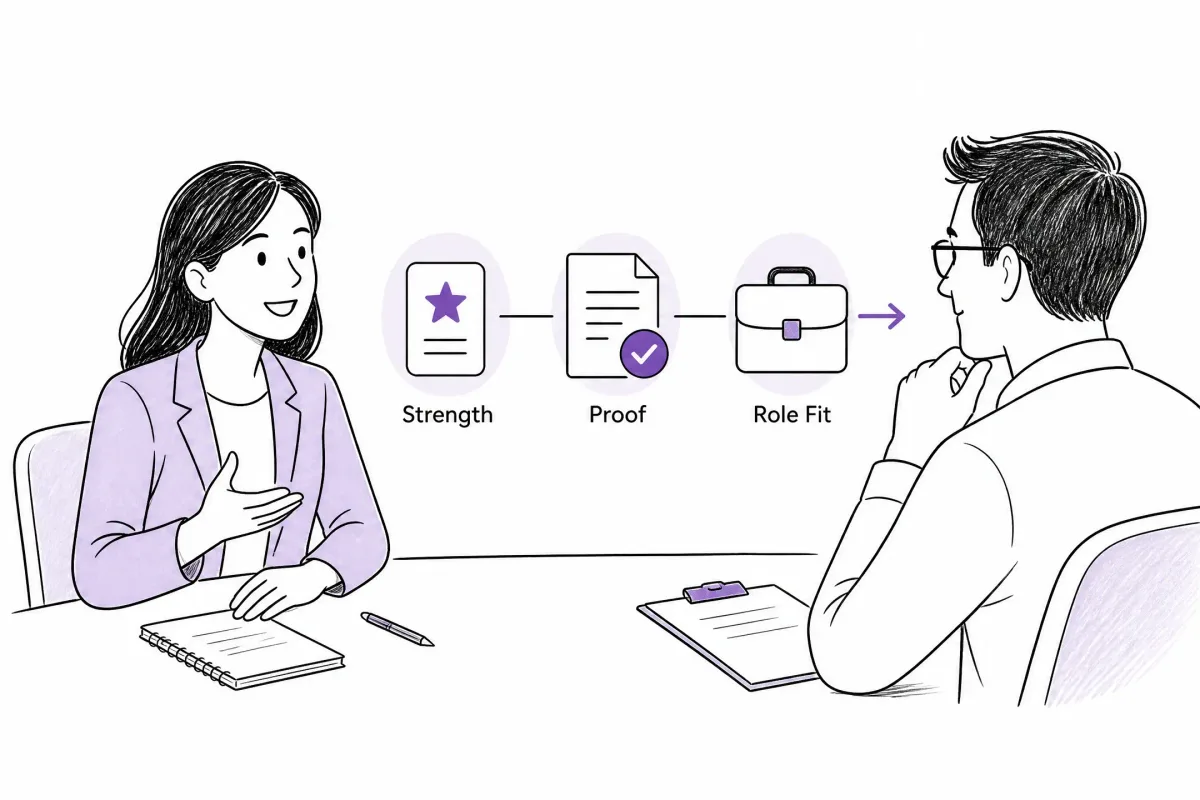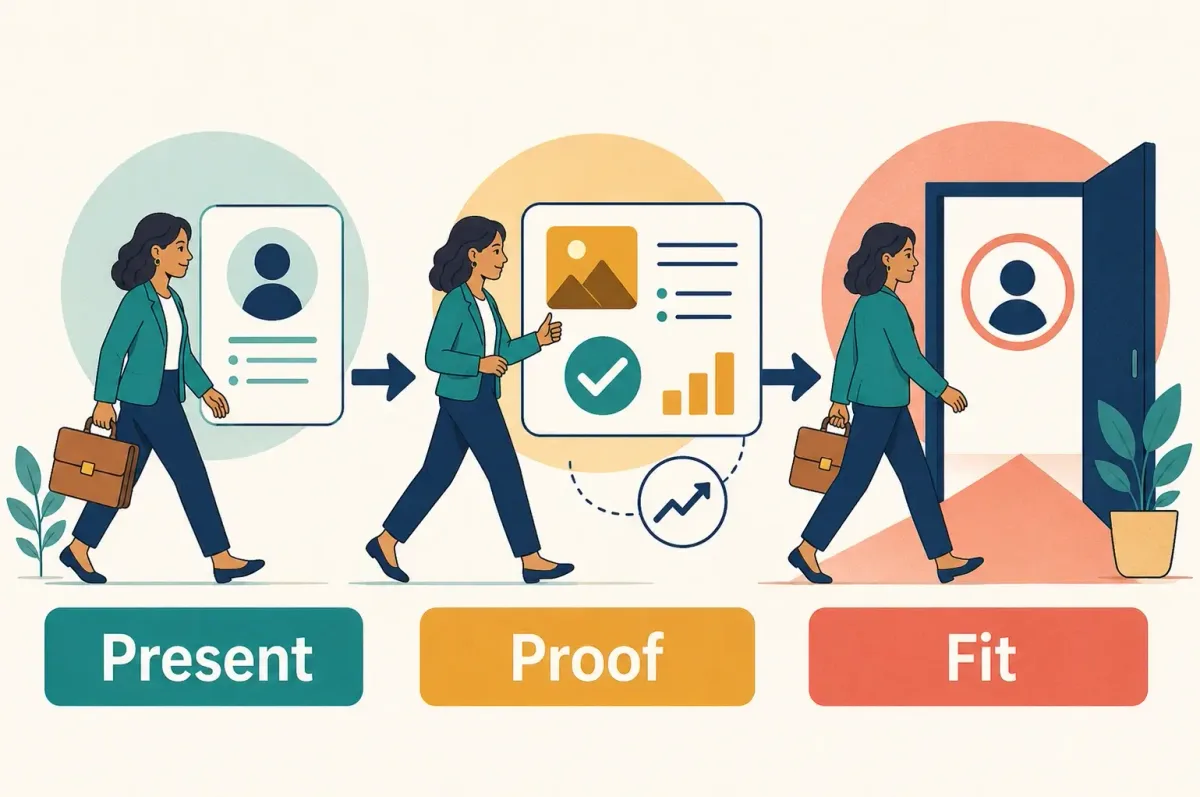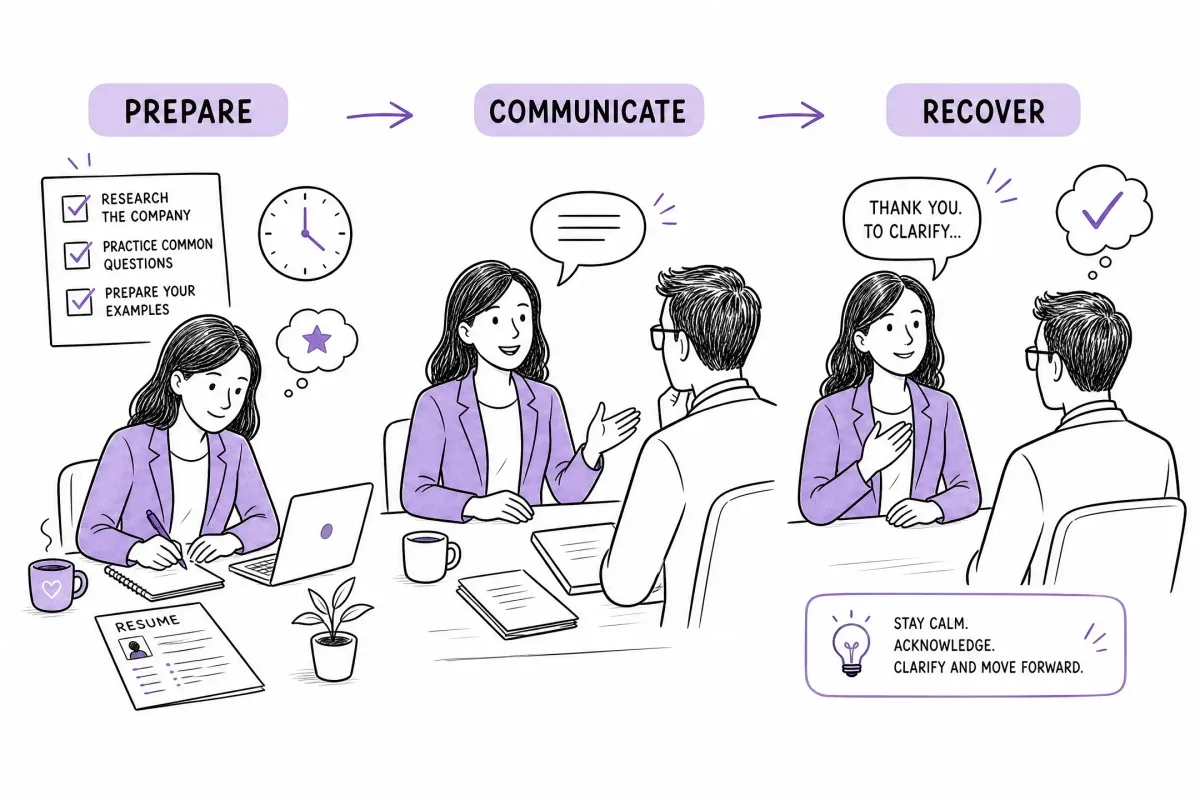


A manager interview usually tests more than your past job titles. Interviewers want evidence that you can create clarity, develop people, handle conflict, make sound decisions, and connect team work to business goals.
The strongest answers are specific. They explain the situation, what you personally did, what changed, and what you learned. This guide covers 25 common interview questions for managers, what each question is designed to assess, and how to build answers that sound credible without sounding memorized.
If you are still preparing for the wider interview process, start with this job interview preparation checklist, then use the manager-specific questions below to choose your practice stories.
The Most Common Interview Questions for Managers
If your interview is soon, prepare at least one example for each of these areas:
- Leadership style and self-awareness: How you lead, communicate, and adapt.
- Motivation, coaching, and feedback: How you help people perform and grow.
- Conflict and performance: How you handle disagreement, accountability, and underperformance.
- Delegation and prioritization: How you distribute work and make trade-offs.
- Decision-making: How you use judgment when information or resources are limited.
- Goals and strategy: How you translate organizational priorities into team execution.
- Change and influence: How you lead through uncertainty and work across teams.
- Hiring and team development: How you assess talent, build capability, and create a healthy team.

One well-chosen story can often answer several related questions. The goal is not to memorize 25 scripts. It is to prepare a small set of real examples that show different management competencies.
How to Answer Manager Interview Questions
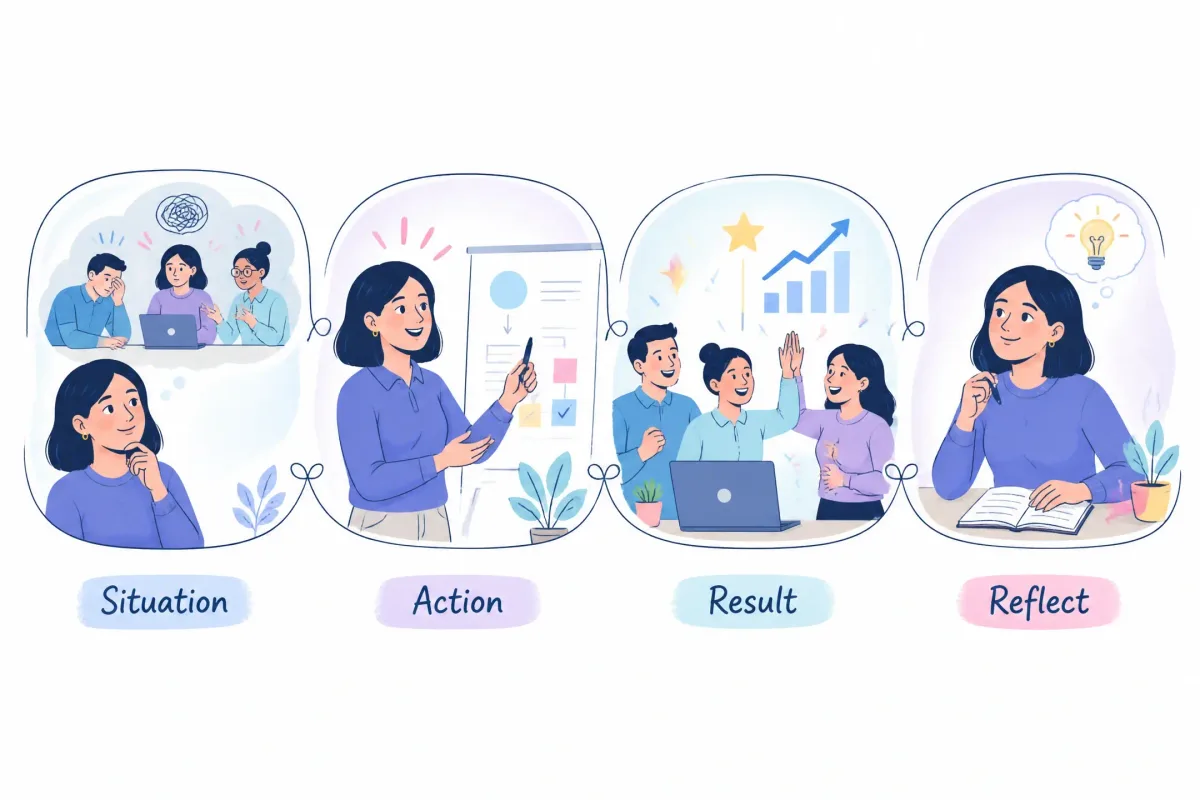
Use this structure for behavioral interview questions:
Situation -> Action -> Result -> Reflection
Keep the situation short. Spend most of your answer on your decisions and actions. Then explain the outcome and what you learned.
This is closely related to the familiar STAR method: Situation, Task, Action, and Result. Adding reflection is useful for management answers because it shows whether you can learn from experience and adjust your approach.
| Step | What to include | What to avoid |
|---|---|---|
| Situation | The context, people involved, and business or team stakes | A long history of the project |
| Action | What you decided, how you communicated, and why | Describing only what “we” did |
| Result | A measurable or observable change | “It went well” with no evidence |
| Reflection | What you learned or would do differently | Ending without a takeaway |
Aim for about 90 seconds to two minutes for a detailed behavioral answer, unless the interviewer asks for more detail. The exact timing depends on the interview format, but concise answers are easier to follow and easier to probe.
Show Management Behavior, Not Only Personal Output
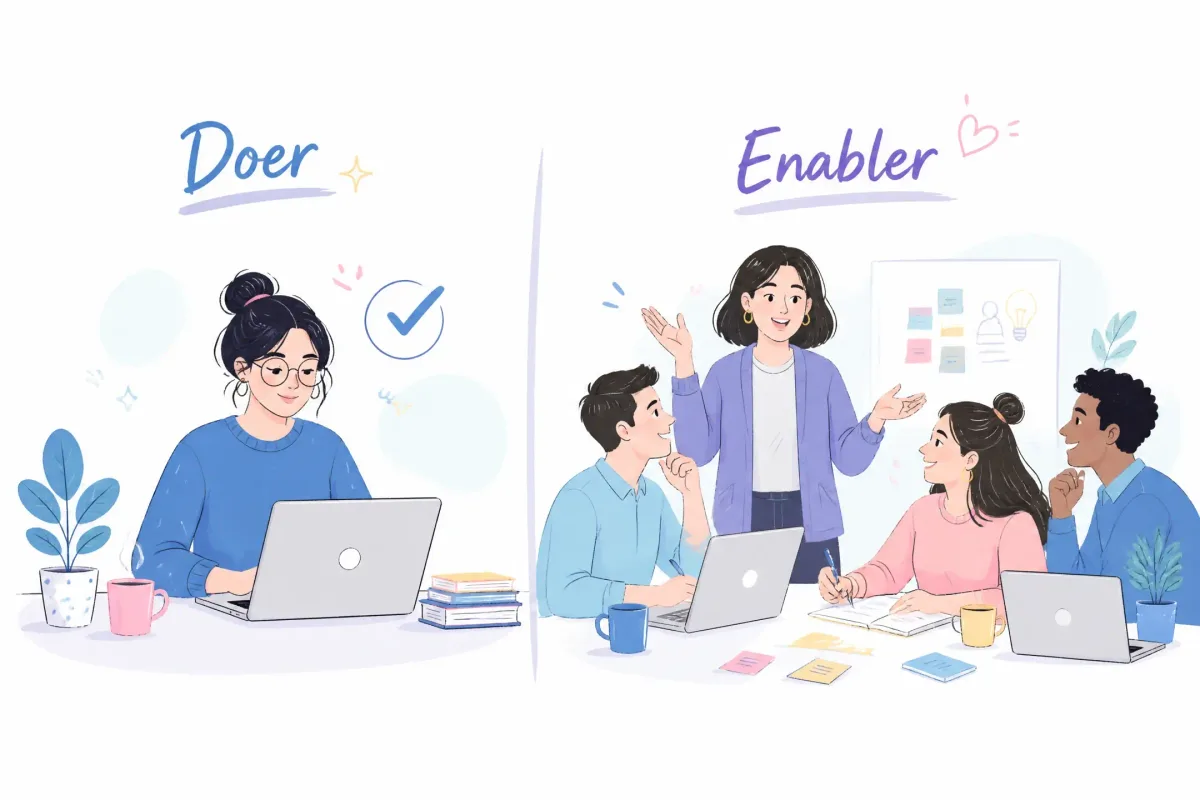
A manager answer should show how you enabled other people to perform. It should not only describe what you personally delivered.
Weak: “The project launched on time and exceeded its target.”
Stronger: “I clarified the outcome, divided the work according to each person’s strengths, coached a teammate through a quality issue, and set a review point before launch. The project launched on time, and the team had a clearer process for the next release.”
The second answer gives the interviewer something to evaluate: your judgment, communication, delegation, and follow-through.
What If You Have Never Managed Direct Reports?
You can still show relevant leadership experience through:
- Project leadership.
- Mentoring or onboarding.
- Coordinating a cross-functional effort.
- Influencing people without formal authority.
- Owning a difficult decision.
- Removing blockers for other people.
- Giving or receiving meaningful feedback.
Be precise about your scope. Do not describe peers as direct reports or claim responsibility for results you did not drive.
A useful opening is:
“I have not had formal direct reports yet, but I have led projects where I set direction, coordinated contributors, removed blockers, and was accountable for the result. For example…”
That answer is honest while still giving the interviewer relevant evidence.

25 Manager Interview Questions by Competency
The questions below are grouped by the management capability they are most likely to test. For each question, prepare a real example, identify your personal actions, and anticipate the follow-up.
Leadership Style and Self-Awareness
1. How Would You Describe Your Management Style?
What it tests: Self-awareness, adaptability, and whether your leadership behavior matches the role.
How to answer: Avoid listing labels such as “collaborative” or “results-oriented” without proof. Define the behavior behind the label, give an example, and explain how you adapt to different people or situations.
Evidence to include: A situation where you deliberately changed your approach because the team, person, or stakes required it.
Likely follow-up: “When has that style not worked?”
2. What Qualities Make a Successful Manager?
What it tests: Your model of good management and the standards you hold yourself to.
How to answer: Choose two or three qualities and connect each one to a behavior. For example, clarity should show up in expectations and priorities; coaching should show up in regular feedback and development.
Evidence to include: A time when you practiced one of those qualities under pressure.
Likely follow-up: “Which quality are you still developing?”
3. Why Do You Want to Be a Manager?
What it tests: Motivation, role fit, and whether you understand the responsibility of managing people.
How to answer: Focus on the work of helping others succeed, creating clarity, improving systems, and taking responsibility for team outcomes. Do not make the answer mainly about status, authority, or compensation.
Evidence to include: A moment when you chose to mentor, coordinate, or lead even when it was not formally required.
Likely follow-up: “What part of management do you expect to find most difficult?”
For questions about your strengths or personal leadership story, you can also review this guide to job-relevant strengths and how to answer “Tell Me About Yourself”.
Motivation, Coaching, and Feedback
4. How Do You Keep a Team Motivated?
What it tests: Whether you understand that motivation differs across people and situations.
How to answer: Explain how you diagnose the problem before acting. A person may need clearer priorities, more autonomy, development, recognition, resources, or a direct conversation about performance.
Evidence to include: The initial problem, the action you took, and a change in behavior or performance.
Likely follow-up: “What do you do when motivation does not improve?”
5. Tell Me About a Time You Coached or Mentored Someone.
What it tests: Coaching, patience, communication, and your ability to develop capability rather than take over.
How to answer: Describe the gap, how you agreed on a goal, what support you provided, and how you knew the person was improving.
Evidence to include: A before-and-after change in skill, confidence, ownership, or work quality.
Likely follow-up: “What did the person do independently after your support ended?”
6. How Do You Give Difficult Feedback?
What it tests: Directness, respect, accountability, and follow-through.
How to answer: Explain how you use specific observations, clarify the expected behavior, listen to the other person's perspective, agree on a next step, and revisit the issue.
Evidence to include: The conversation, the expectation you clarified, and what changed afterward.
Likely follow-up: “What if the person disagreed with your feedback?”
Conflict, Accountability, and Performance
7. How Do You Resolve Conflict Between Team Members?
What it tests: Conflict diagnosis, listening, fairness, and the ability to restore productive working relationships.
How to answer: Start with facts and impact rather than taking sides. Explain when you would speak to people separately, when a joint conversation would help, and how you would agree on future behavior.
Evidence to include: The source of the disagreement, your intervention, and the working outcome.
Likely follow-up: “What would you do if both people believed they were right?”
8. Tell Me About a Time You Handled an Underperforming Employee or Teammate.
What it tests: Performance management, empathy, clarity, and accountability.
How to answer: Explain how you distinguished a skill gap from unclear expectations, lack of resources, capacity issues, or a conduct problem. Then describe the specific support and expectations you set.
Evidence to include: The diagnosis, agreed plan, review point, and outcome.
Likely follow-up: “What would you do if performance still did not improve?”
9. What Would You Do If a Strong Performer Suddenly Started Struggling?
What it tests: Whether you investigate before judging and can combine care with clear standards.
How to answer: Start with a private conversation and open questions. Review changes in workload, priorities, support, role clarity, and personal circumstances without asking for inappropriate personal or medical details. Then agree on practical next steps.
Evidence to include: A time when you noticed a change and responded proportionately.
Likely follow-up: “How would you protect the rest of the team's workload?”
10. How Do You Make Performance Evaluations Fair and Objective?
What it tests: Consistency, evidence-based judgment, and awareness of bias.
How to answer: Discuss role expectations, documented examples, consistent standards, multiple sources of information where appropriate, and regular feedback rather than surprises at review time.
Evidence to include: A process you used to make expectations or evaluation criteria clearer.
Likely follow-up: “What do you do when stakeholders disagree about someone's performance?”

Delegation, Prioritization, and Decision-Making
11. How Do You Delegate Responsibilities?
What it tests: Trust, judgment, workload planning, and your ability to scale through a team.
How to answer: Explain how you match responsibility to capability and development goals. Set the outcome, decision rights, constraints, and check-in points before handing over the work.
Evidence to include: What you delegated, why you chose that person, and how you avoided micromanaging.
Likely follow-up: “What do you keep for yourself?”
12. How Do You Prioritize When Everything Feels Urgent?
What it tests: Trade-off judgment, communication, and composure.
How to answer: Explain how you compare impact, deadlines, risk, dependencies, and available capacity. Then describe how you make the trade-off visible to stakeholders and the team.
Evidence to include: A real triage decision and what you deliberately delayed, reduced, or stopped.
Likely follow-up: “How did you communicate a decision that people disliked?”
13. Tell Me About a Difficult Decision You Made.
What it tests: Judgment, ownership, and how you act when there is no perfect option.
How to answer: Briefly describe the options, constraints, people affected, and information available. Explain your reasoning, the decision, and how you monitored the consequences.
Evidence to include: A clear trade-off and your responsibility for the outcome.
Likely follow-up: “What would you do differently now?”
14. When Do You Involve Others in a Decision?
What it tests: Collaborative judgment and your understanding of when consultation helps or slows progress.
How to answer: Distinguish between decisions that need expertise, input from affected people, approval, or simply clear communication. Explain when you consult and when you decide.
Evidence to include: A decision where the level of involvement was important to the outcome.
Likely follow-up: “Tell me about a time you involved too many people or too few.”
Strategy, Goals, and Team Execution
15. How Do You Translate Company Goals Into Team Goals?
What it tests: Strategic thinking and your ability to turn broad priorities into clear execution.
How to answer: Start with the business outcome, identify the part the team can influence, define a small number of outcomes, assign ownership, and establish a review cadence.
Evidence to include: The connection between an organizational priority, a team objective, and a result.
Likely follow-up: “What do you do when the company goal is unclear?”
16. How Do You Set Objectives and Make Sure They Are Achieved?
What it tests: Goal setting, accountability, and operating rhythm.
How to answer: Explain how you make objectives specific, clarify ownership, identify dependencies, review progress, and adjust when assumptions change.
Evidence to include: A goal, the cadence you used, and how you handled a risk or missed milestone.
Likely follow-up: “How do you avoid creating too many metrics?”
17. How Do You Measure Team Success?
What it tests: Whether you can balance output, quality, customer or stakeholder impact, and team health.
How to answer: Use a small set of measures that fit the role. Explain why the measures matter and what they do not tell you.
Evidence to include: A time when a metric looked positive but required additional context.
Likely follow-up: “What happens when the metric improves but the team's quality declines?”
18. What Would You Aim to Accomplish in Your First 90 Days?
What it tests: Listening, prioritization, relationship building, and realistic execution.
How to answer: Organize the answer around learning the business and team, clarifying expectations, identifying early risks, and agreeing on a small number of early improvements. Avoid promising a large transformation before understanding the context.
Evidence to include: How you have entered a new role, inherited a project, or taken over a new responsibility.
Likely follow-up: “What would you avoid changing too quickly?”
Change, Influence, and Cross-Functional Leadership
19. How Do You Handle Changing Priorities or a Changing Roadmap?
What it tests: Adaptability, communication, and the ability to protect focus during uncertainty.
How to answer: Reconfirm the outcome, identify what changed, make trade-offs explicit, reset priorities, and explain the new plan to the people affected.
Evidence to include: A real reprioritization and how you kept work moving.
Likely follow-up: “How do you stop the team from feeling that priorities change every day?”
20. Tell Me About a Time You Led a Team Through a Difficult Challenge.
What it tests: Leadership under pressure, communication, and resilience.
How to answer: Explain the challenge and stakes, then focus on how you created clarity, assigned ownership, made decisions, and supported the team.
Evidence to include: The turning point and the result, including what the team learned.
Likely follow-up: “What did you personally get wrong?”
21. How Have You Influenced People Without Formal Authority?
What it tests: Credibility, stakeholder management, and communication.
How to answer: Describe how you built shared understanding, used evidence, addressed different incentives, and earned commitment rather than relying on title.
Evidence to include: A cross-functional decision or delivery effort.
Likely follow-up: “What did you do when someone still refused to support the plan?”
22. Tell Me About a Time You Organized a Diverse Group to Deliver a Result.
What it tests: Inclusion, coordination, listening, and the ability to align different perspectives.
How to answer: Explain the differences in expertise, priorities, or working styles. Then show how you created a shared goal, clarified roles, and made room for useful disagreement.
Evidence to include: How you handled a perspective that challenged the original plan.
Likely follow-up: “How did you know everyone was genuinely aligned?”
Hiring and Team Development
23. What Do You Look for When Hiring a Manager or Team Member?
What it tests: Role clarity, evidence-based evaluation, and your ability to separate must-have capabilities from preferences.
How to answer: Start with the outcomes the role must deliver. Then identify the behaviors and skills that predict those outcomes, and explain how you would test them with consistent questions and evidence.
Evidence to include: A time when you helped assess, interview, onboard, or select someone.
Likely follow-up: “How do you avoid relying on personal chemistry?”
24. How Do You Run Effective One-on-One Meetings?
What it tests: Management operating rhythm, listening, coaching, and follow-through.
How to answer: Explain how you balance the employee's agenda, priorities, blockers, feedback, development, and agreed actions. The meeting should not become only a status update.
Evidence to include: A change you made to improve communication or employee ownership.
Likely follow-up: “What do you do when a direct report brings no topics?”
25. How Do You Build Trust on a New Team?
What it tests: Self-awareness, consistency, communication, and respect for existing team knowledge.
How to answer: Start by listening and learning the team's context. Set clear expectations, follow through on commitments, make decisions transparently, and create reliable opportunities for feedback.
Evidence to include: A time when you joined, inherited, or reset a team or working relationship.
Likely follow-up: “How do you rebuild trust after making a mistake?”
How to Adapt Your Answers by Management Level
The same question can require different evidence depending on the role.
| Role context | Lead with | Avoid |
|---|---|---|
| First-time manager or IC-to-manager | Project leadership, mentoring, onboarding, influence, feedback, and ownership | Claiming direct-report experience you do not have |
| Experienced people manager | Team scope, hiring, performance management, development, and measurable outcomes | Vague statements about what “the team” did |
| Functional, project, or operations manager | Delivery systems, prioritization, stakeholder alignment, process improvement, and cross-team influence | Assuming the role has direct reports if the job description does not say so |

For a first-time manager answer, state the boundary clearly and then connect your existing experience to the capability the question is testing. Transferable evidence is useful only when you explain the connection.
For an experienced manager answer, include scope and complexity where it is relevant: team structure, competing priorities, cross-functional dependencies, or the level of decision you owned. Do not add numbers unless they are accurate and you can explain how they were measured.
Questions to Ask at the End of a Manager Interview
The questions you ask can help you evaluate whether the role is a good fit:
Success and priorities
- What would success look like in the first 90 days?
- Which outcomes matter most for this team over the next six to twelve months?
Team and challenges
- What is the team's biggest challenge right now?
- What support does the team need from its next manager?
Decision rights
- Which decisions would this role own?
- Where would this manager need to build alignment with other teams?
Support and development
- How does the organization support managers with feedback and development?
- How are goals and performance expectations set and reviewed?
Choose two or three questions that connect to the conversation. This guide to smart questions to ask employers includes additional options and ways to evaluate the answers you receive.
A 15-Minute Practice Plan
If you have limited preparation time, use this process:
- Choose five questions from different competency groups.
- Write down one real example for each question.
- Reduce each example to Situation, Action, Result, and Reflection.
- Underline the sentences that show your personal decisions and actions.
- Add one result that is measurable or observable, if you can verify it.
- Practice each answer aloud and remove vague phrases such as “we handled it well.”
- Write one likely follow-up question for each story.
- Score each answer for specificity, ownership, people impact, result, and reflection.
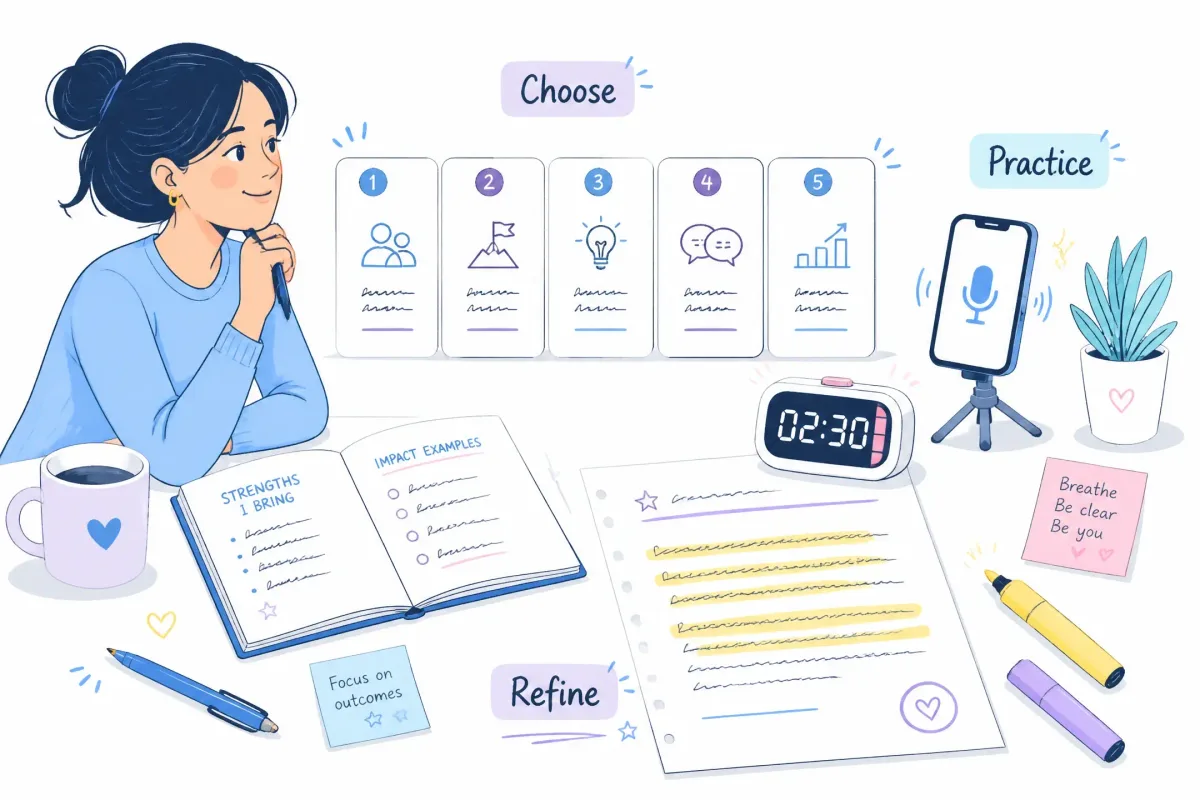
You do not need 25 unrelated stories. Prepare a small story bank that covers conflict, coaching, delegation, a difficult decision, change, and team execution. Then adapt the story to the wording of the question.
Important: Great Offer AI can be used as a preparation and practice tool to help you organize and rehearse answers. Use any AI assistance during a live interview only when it is permitted by the employer, school, platform, or interview process. When the rules are unclear, use practice mode and ask the organizer for clarification.
For the final review, see these guides on common interview mistakes to avoid and how to make your interview evidence visible.
Final Takeaway
Strong answers to interview questions for managers do not depend on using the perfect leadership label. They depend on showing how you create clarity, help people perform, make decisions, handle difficult situations, and learn from outcomes.
Prepare a small set of truthful stories, connect each one to a management competency, and practice answering follow-up questions. That preparation will help you sound more specific, calm, and credible in the conversation.