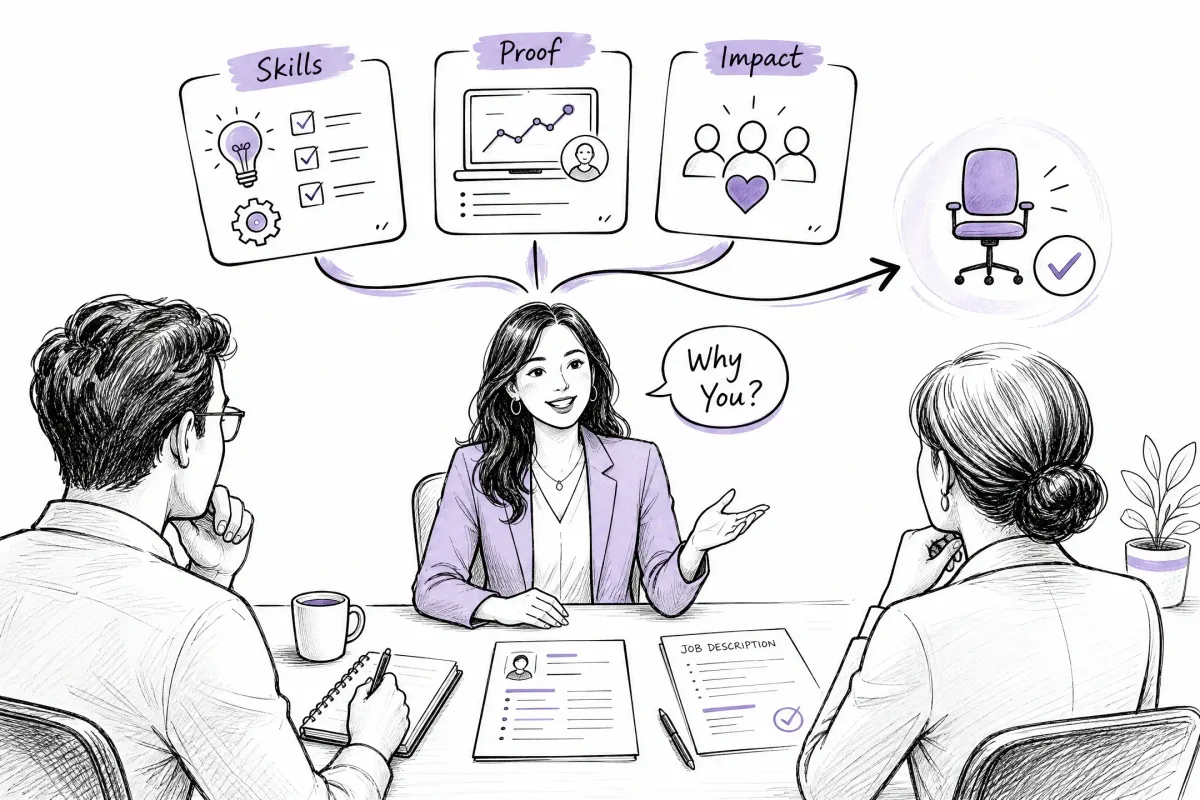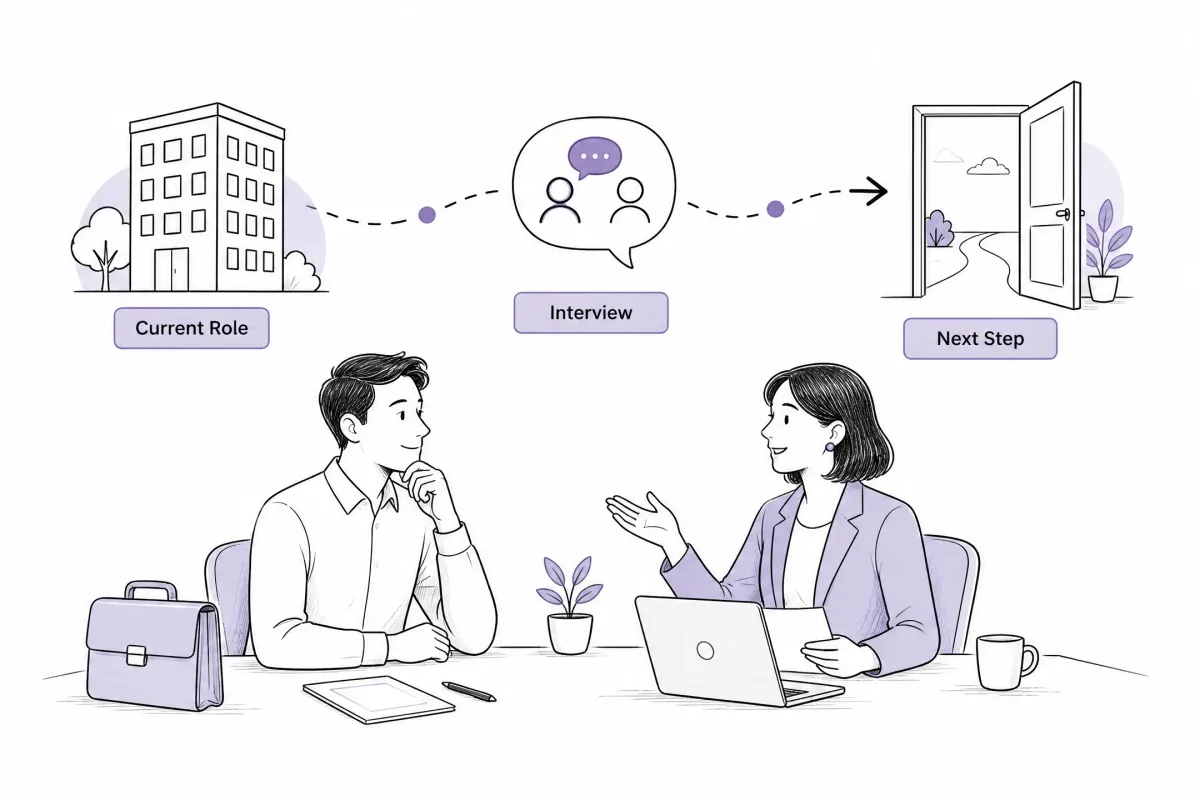

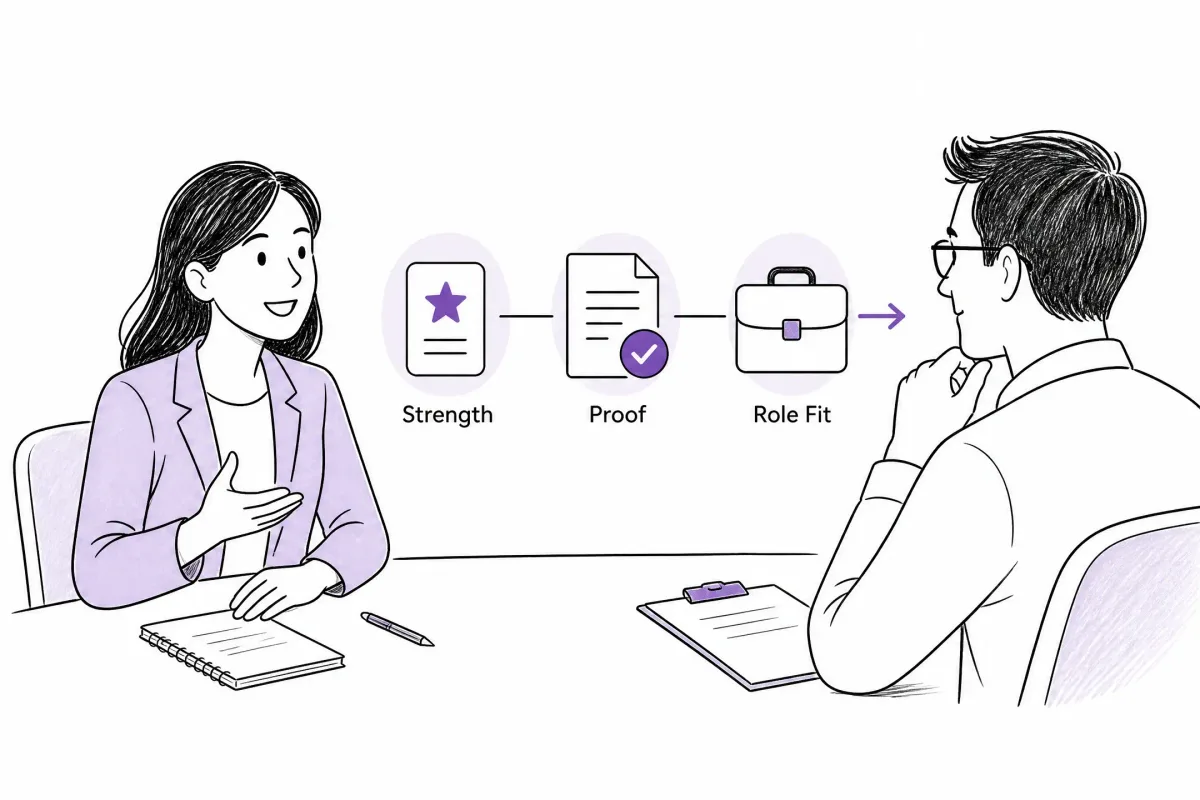
Your biggest strength should be a capability that matters to the job and that you can prove with a real example. A strong answer does three things: names one relevant strength, shows how you used it, and explains how it would help you succeed in the new role.
The short formula:
- Name the strength. Be specific.
- Prove it. Describe a real action and outcome.
- Connect it to the job. Explain why it matters in this role.
Do not stop at, “I’m a good problem-solver.” Explain what you solved, what you personally did, and what changed because of your work.
This guide will help you choose the right strength, find credible proof, and build an answer in your own words.
Why Interviewers Ask About Your Biggest Strength
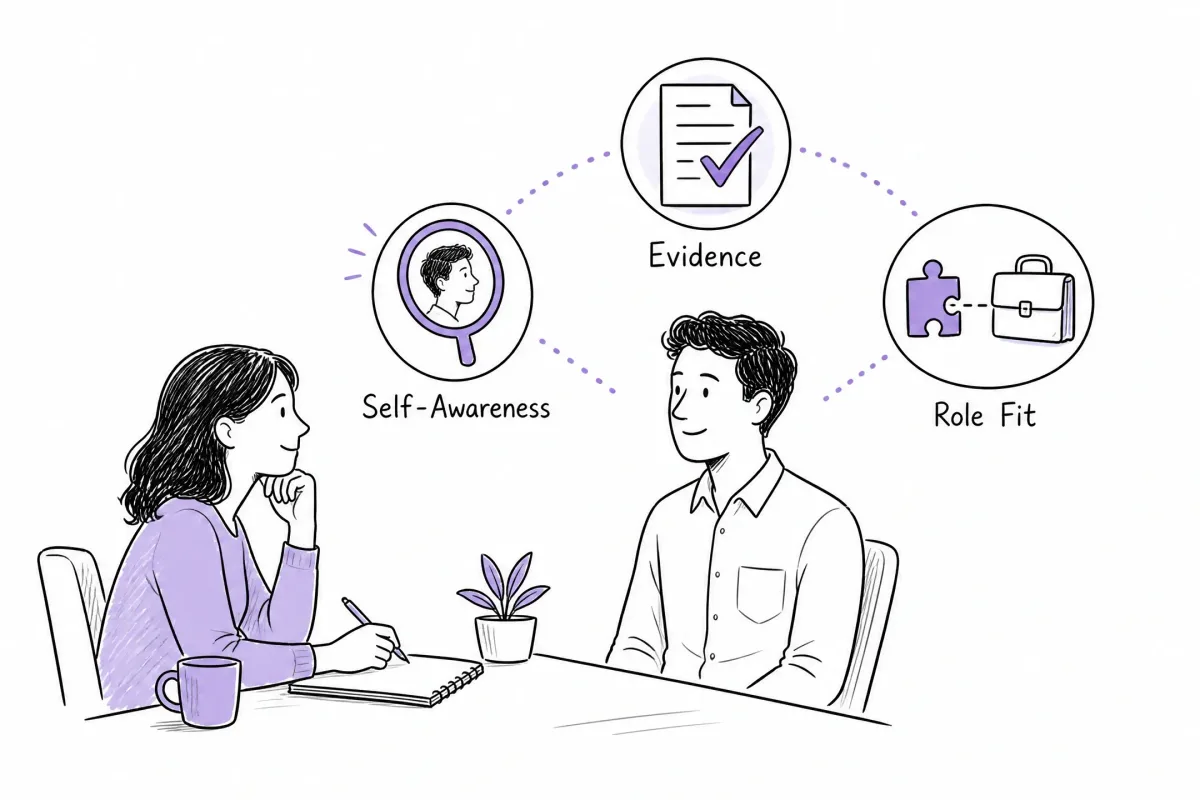
Interviewers use this question to understand how well you know your capabilities, whether those capabilities match the role, and whether you can support a claim with evidence.
- Self-awareness: Can you describe what you do well without relying on vague labels?
- Evidence: Can you point to a real situation in which the strength affected your work?
- Role fit: Is the strength useful for the responsibilities the employer needs you to handle?
Career guidance from Harvard Business Review, Indeed, The Muse, and Coursera consistently recommends choosing a job-relevant strength and supporting it with a concrete example rather than reciting a list of positive traits.
There is no universal “best” strength. Communication may be persuasive for a client-facing position, while attention to detail may be more relevant for a role involving financial records, quality control, or data accuracy.
The right answer depends on the work and the evidence you can honestly provide.
How to Choose Your Biggest Strength
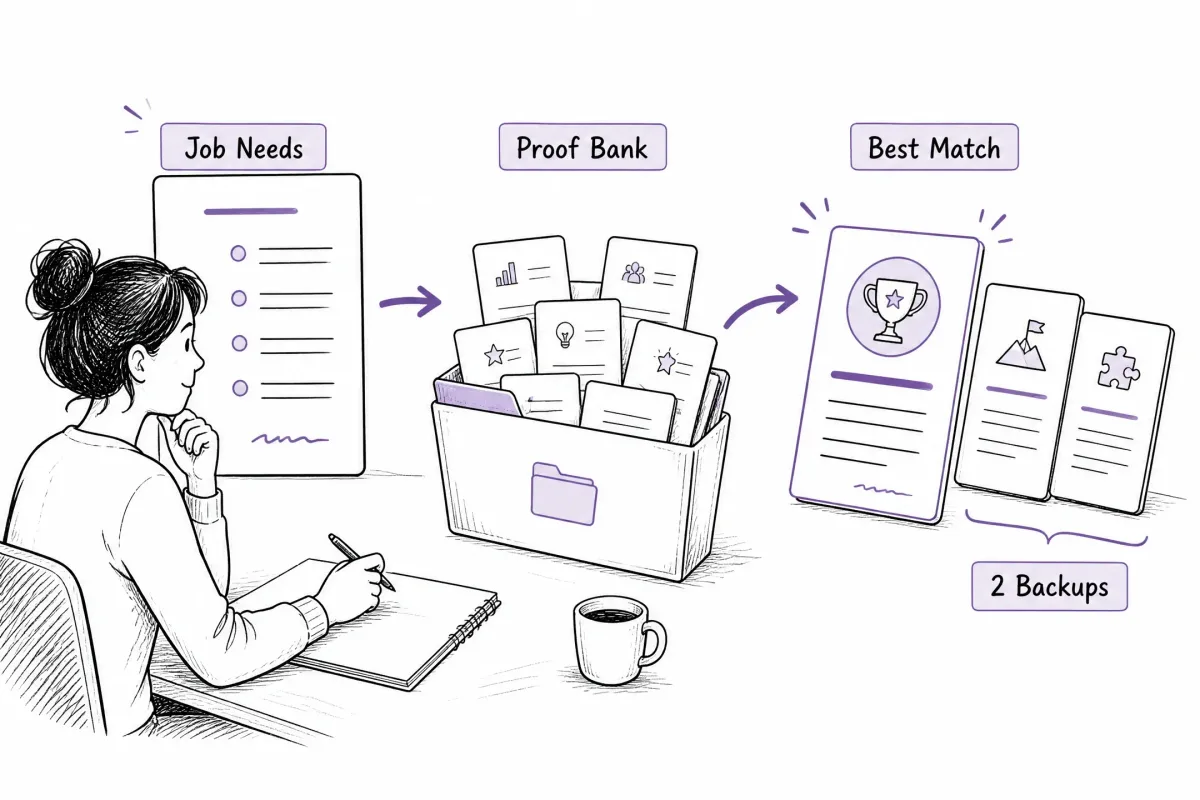
Do not begin with a long list of qualities. Begin with the job, then work backward to the strongest evidence in your experience.
1. Identify What the Role Requires
Read the job description and highlight:
- repeated skills or responsibilities;
- action verbs such as analyze, lead, coordinate, sell, or resolve;
- expected outcomes, such as accurate reporting, customer retention, or on-time delivery;
- work conditions, such as rapid change, competing deadlines, or cross-functional collaboration.
If the description is vague, review the occupation on O*NET OnLine to understand the tasks, skills, work activities, and work styles commonly associated with that type of role. Use this as background research, not as a substitute for the employer’s actual requirements.
2. Build a Proof Bank
List experiences from employment, internships, coursework, volunteering, side projects, or leadership activities. For each experience, note:
- the problem, goal, or responsibility;
- the action you personally took;
- the result or observable change;
- the capability that made the result possible.
A result does not have to be revenue or a percentage. Credible evidence can include:
- meeting a difficult deadline;
- preventing an error;
- resolving a customer issue;
- improving a process;
- receiving documented feedback;
- helping a team make a decision.
3. Apply the Relevance–Evidence–Credibility Test
For each possible strength, ask:
- Relevance: Does the job require this capability?
- Evidence: Can I explain a specific time I used it?
- Credibility: Can I describe the result without exaggerating or inventing details?
Remove any option that fails one of these tests.
A common strength with strong evidence is more convincing than an unusual strength you cannot prove.
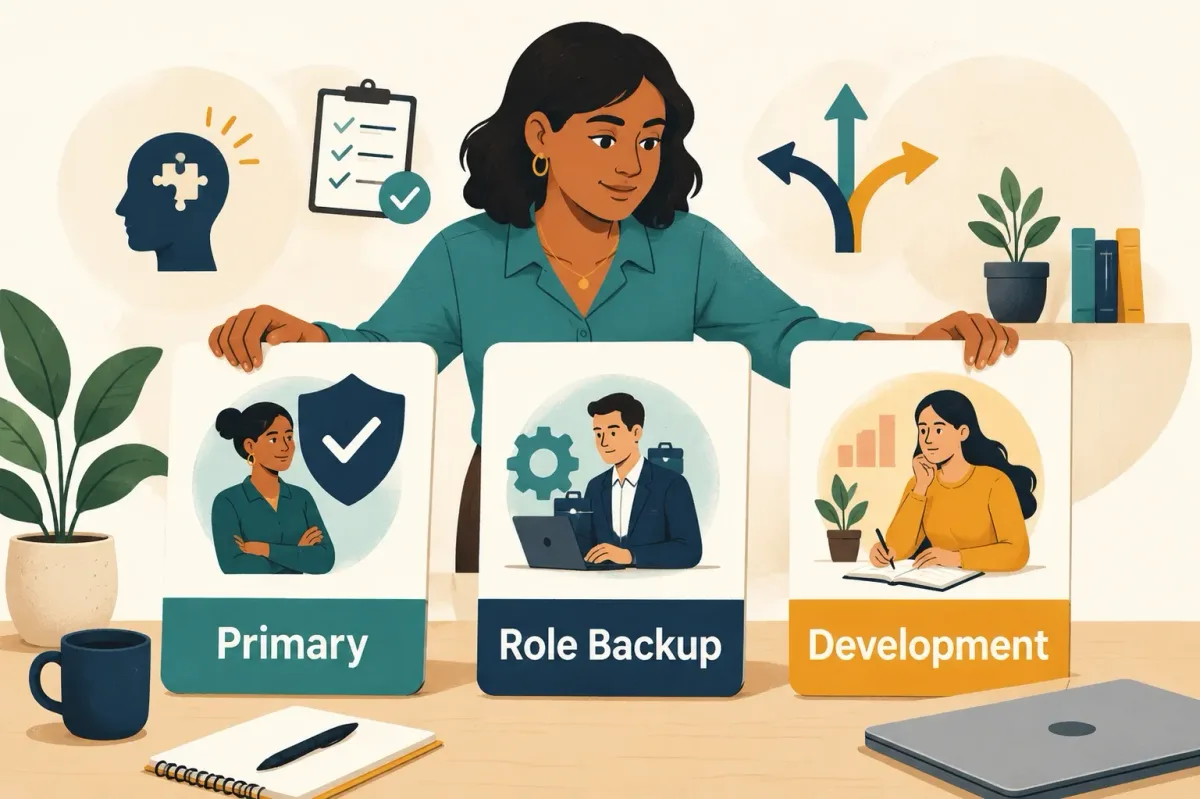
4. Prepare One Main Strength and Two Backups
Choose one strength for your main answer. Prepare two additional strengths for follow-up questions, later interview rounds, or a direct request for multiple strengths.
Your backups should add range. For example, you might prepare:
- one task-focused strength, such as problem-solving;
- one people-focused strength, such as active listening;
- one execution strength, such as prioritization.
List of Strengths: 30 Strong Points for Interviews
The following list is designed for interview preparation, not personality testing. Use the evidence prompt to decide whether a strength genuinely belongs in your answer.
Problem-Solving and Analytical Strengths
| Strength | What It Looks Like at Work | Evidence to Look For | Often Relevant When the Role Involves |
|---|---|---|---|
| Problem-solving | Identifying causes and building workable solutions | A problem you diagnosed and resolved | Troubleshooting, operations, product, service |
| Critical thinking | Testing assumptions before deciding | A decision you improved by checking evidence | Analysis, strategy, research, compliance |
| Data analysis | Turning information into a useful conclusion | A report, trend, or pattern that informed action | Data, finance, marketing, operations |
| Creativity | Developing a useful new approach | An idea that improved a process or outcome | Design, marketing, product, entrepreneurship |
| Decision-making | Choosing a direction with incomplete information | A tradeoff you assessed and acted on | Management, operations, project work |
| Learning agility | Applying unfamiliar knowledge quickly | A tool, process, or subject you learned and used | Entry-level roles, technology, changing teams |
Communication and Teamwork Strengths
| Strength | What It Looks Like at Work | Evidence to Look For | Often Relevant When the Role Involves |
|---|---|---|---|
| Clear communication | Making information easy to understand | A presentation, handoff, or explanation that reduced confusion | Client work, leadership, training |
| Active listening | Understanding before responding | A conversation in which careful questions changed the outcome | Support, sales, management, healthcare |
| Collaboration | Working toward a shared result | A project that required coordination across people or teams | Project work, product, consulting |
| Empathy | Recognizing another person’s needs or perspective | A customer or team situation you handled with care | Support, management, service, healthcare |
| Conflict resolution | Helping people move past disagreement | A dispute you helped clarify or de-escalate | Management, HR, service, team leadership |
| Persuasion | Helping others make an informed decision | A recommendation, proposal, or negotiation you advanced | Sales, consulting, leadership, partnerships |
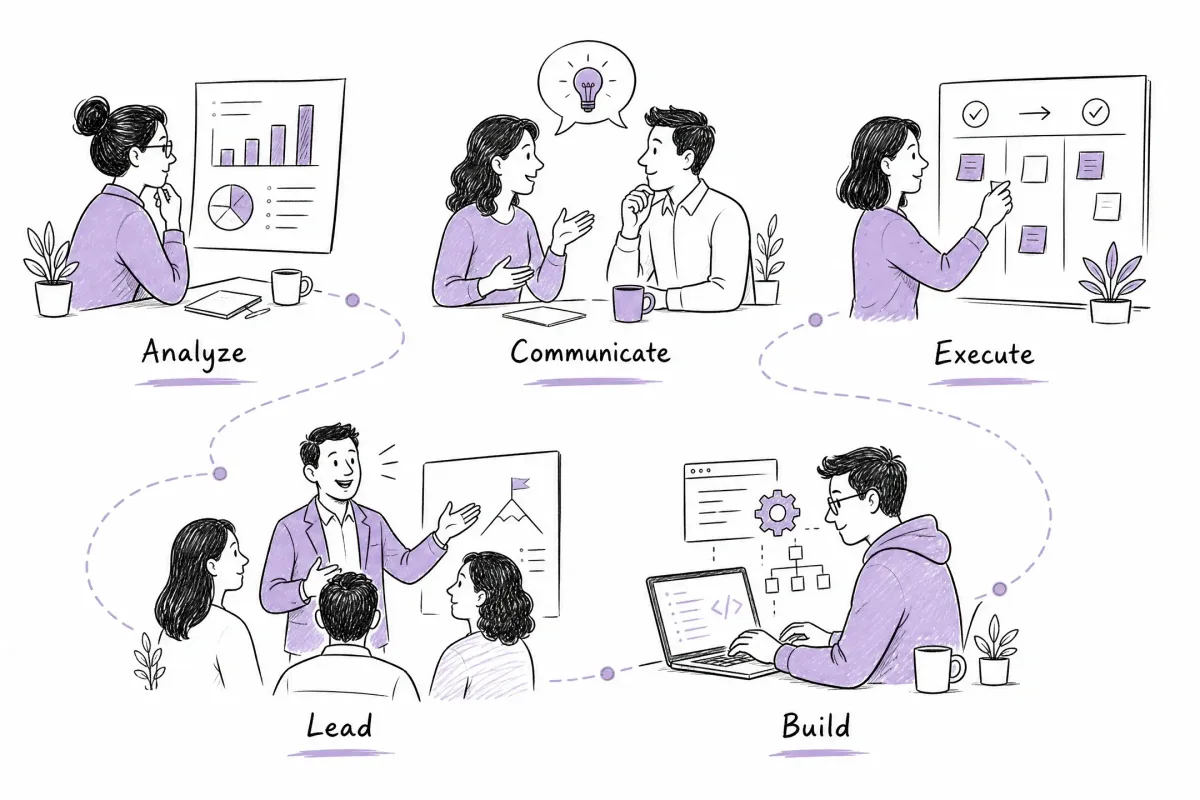
Execution and Work-Style Strengths
| Strength | What It Looks Like at Work | Evidence to Look For | Often Relevant When the Role Involves |
|---|---|---|---|
| Time management | Planning work so commitments are met | A demanding schedule you managed responsibly | Administration, projects, operations |
| Attention to detail | Detecting errors and maintaining accuracy | An issue you caught before it caused a larger problem | Finance, QA, data, legal, editing |
| Reliability | Following through consistently | A responsibility others trusted you to manage | Any role with recurring commitments |
| Adaptability | Adjusting constructively when circumstances change | A plan, tool, or priority shift you handled | Startups, retail, operations |
| Prioritization | Focusing effort on the most important work | Competing tasks you sequenced based on impact | Operations, project work, leadership |
| Resilience | Recovering and continuing after a setback | A difficult situation you learned from and moved through | Sales, service, management |
Leadership and Ownership Strengths
| Strength | What It Looks Like at Work | Evidence to Look For | Often Relevant When the Role Involves |
|---|---|---|---|
| Ownership | Taking responsibility for an outcome | A project or issue you carried through to resolution | Independent work, growth roles, operations |
| Initiative | Acting on a useful opportunity without waiting to be told | An improvement you proposed and implemented | Product, operations, entrepreneurial teams |
| Coaching | Helping another person improve | A colleague, trainee, or teammate you supported | Management, training, senior roles |
| Delegation | Matching work to the right person with clear expectations | A project in which you assigned and followed up on responsibilities | Management, team leadership |
| Strategic thinking | Connecting current choices to longer-term goals | A plan that considered broader risks or opportunities | Leadership, product, consulting |
| Stakeholder management | Keeping decision-makers and partners aligned | A project in which you managed expectations and communication | Programs, product, consulting |
Technical and Business Strengths
| Strength | What It Looks Like at Work | Evidence to Look For | Often Relevant When the Role Involves |
|---|---|---|---|
| Technical expertise | Applying specialized knowledge accurately | A system, design, analysis, or technical issue you handled | Engineering, IT, data, skilled professions |
| Digital fluency | Learning and using digital tools effectively | A tool you adopted to improve how work was completed | Technology-enabled and remote roles |
| Project management | Moving coordinated work from scope to completion | A project you planned, tracked, and delivered | Programs, operations, product |
| Process improvement | Making a workflow more effective | A step you removed, clarified, automated, or standardized | Operations, quality, administration |
| Customer focus | Using customer needs to guide decisions | A change you made after understanding a customer problem | Product, support, service, sales |
| Commercial awareness | Understanding how work affects business outcomes | A decision that considered cost, revenue, risk, or customer value | Sales, finance, business development |
How to Answer “What Are Your Biggest Strengths?”
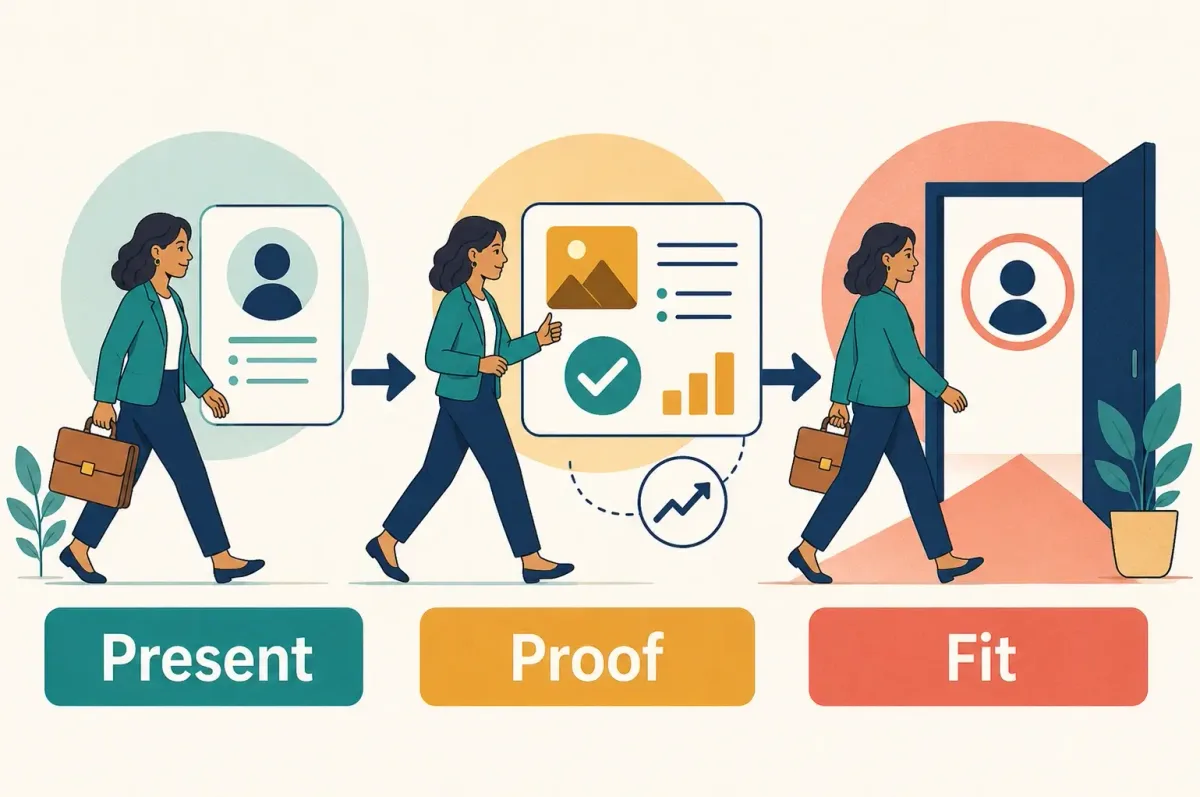
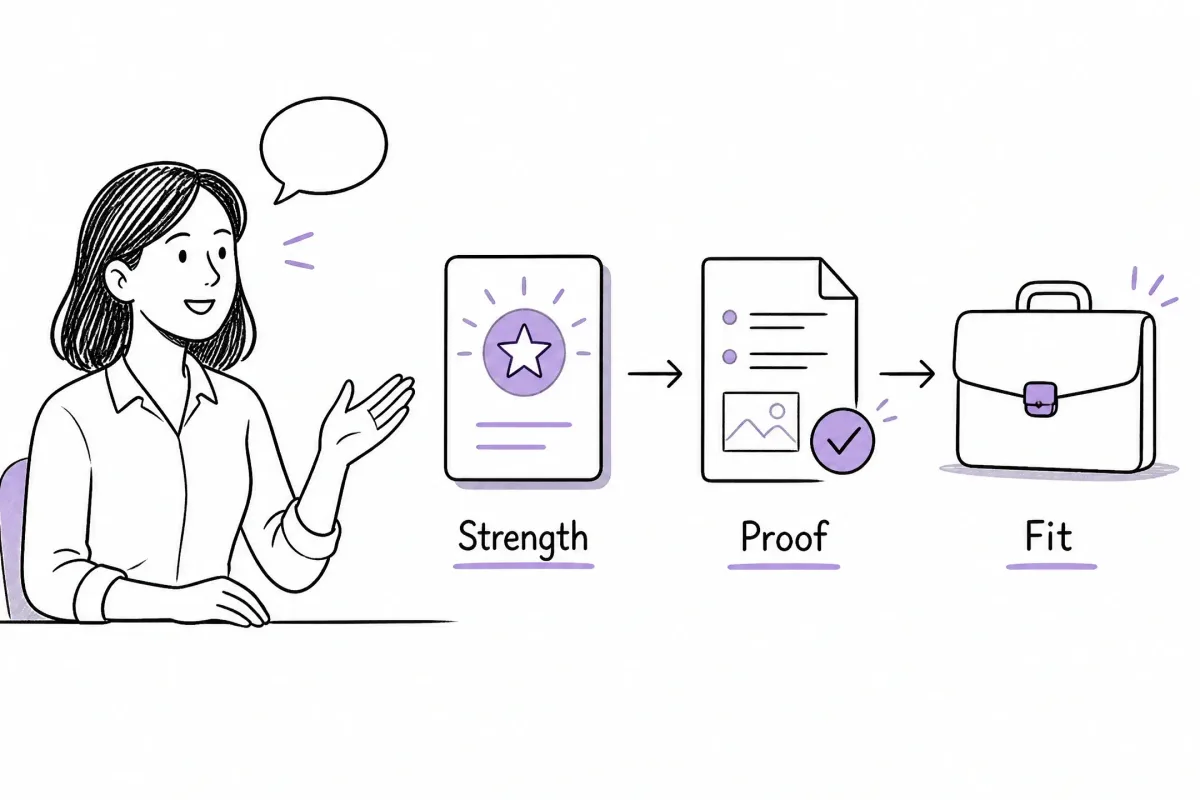
Once you choose a strength, build the answer around Strength–Proof–Fit.
Strength
Name one capability in a direct sentence:
One of my biggest strengths is [specific strength].
Proof
Describe a real example. Give only enough context to understand the situation, then focus on your action and the outcome:
In [real situation], I was responsible for [goal or problem]. I [specific action you personally took], which resulted in [verified result or observable outcome].
Fit
Connect the example to the job:
That experience would help me [relevant responsibility or outcome] in this role.
Complete Answer Template
One of my biggest strengths is [strength]. In [real situation], I needed to [goal or problem]. I [specific action], which led to [verified result or observable outcome]. I would bring the same ability to [job-relevant responsibility] in this role.
Do not force a metric into the answer. Use one only when it is accurate and you can explain where it came from.
If you do not have a number, describe a verifiable change: an error was prevented, a deadline was met, a customer received a resolution, or a decision became clearer.
Sample Answer Templates by Role and Experience Level
The templates below are not real candidate stories. Do not publish or speak them as personal experiences without customization.
Replace every bracketed field with facts from your own background.
Entry-Level Candidate: Learning Agility
One of my biggest strengths is learning quickly. During [course, internship, volunteer role, or personal project], I needed to learn [tool, process, or subject] so I could [goal]. I [how you learned and applied it], which helped [verified outcome]. That experience showed me I can build useful skills quickly, which would help me ramp up in this role.
Use this when: The role values growth and you can prove learning through coursework, projects, internships, volunteering, or self-directed work.
Software or IT Candidate: Problem-Solving
My biggest strength is structured problem-solving. When [real technical issue] affected [user, system, or workflow], I [diagnostic steps you took] and identified [verified cause]. I then [solution you implemented], resulting in [verified outcome]. I would use the same approach to investigate and resolve technical problems in this position.
Use this when: You can explain your reasoning, not just name a tool or programming language.
Data or Finance Candidate: Attention to Detail
One of my biggest strengths is attention to detail. While working on [report, model, reconciliation, or analysis], I noticed [specific inconsistency]. I [how you checked and corrected it], which prevented [verified risk or error]. That level of care would support accurate work in this role.
Use this when: Accuracy is central to the job and your example shows judgment rather than routine proofreading.
Sales Candidate: Active Listening
My biggest strength is active listening. In a conversation with [real prospect or customer type], I asked questions to understand [need, objection, or priority] rather than assuming the answer. I then [how you adjusted your recommendation or communication], which led to [verified next step or outcome]. I would use the same approach to build trust with customers here.
Use this when: You have a real example of discovering needs and adapting your approach.
Customer Service Candidate: Empathy and Resolution
One of my biggest strengths is staying empathetic while working toward a resolution. When [real customer situation] occurred, I [how you listened and clarified the issue], then [action you took]. The result was [verified resolution or feedback]. I would bring that balance of empathy and follow-through to this support role.
Use this when: Your evidence shows both emotional awareness and practical action.
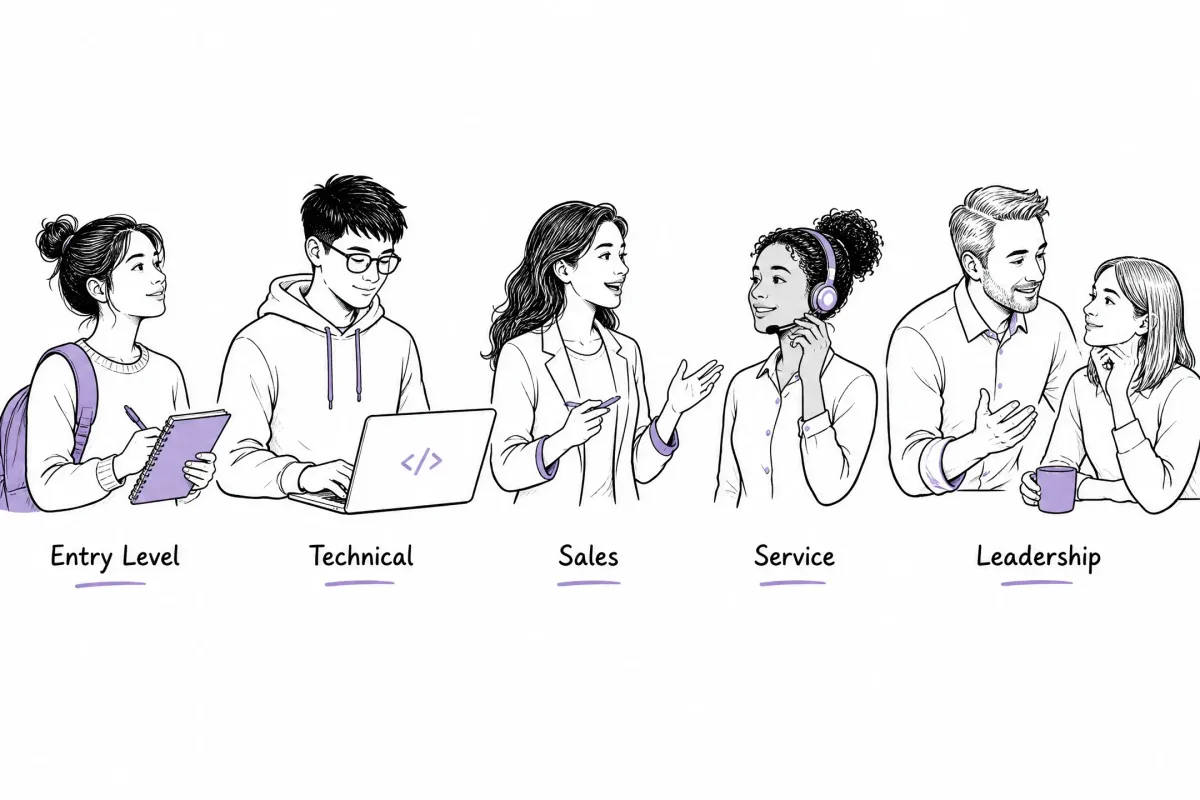
Project or Operations Candidate: Prioritization
My biggest strength is prioritizing work when several responsibilities compete for attention. During [real project or period], I needed to manage [competing tasks or deadlines]. I [how you assessed urgency, dependencies, and risk], which allowed [verified result]. I would use the same structure to keep work moving in this role.
Use this when: You can show how you made choices, communicated risks, and followed through.
Manager or Team Lead: Coaching
One of my biggest strengths is helping people improve. When [real team member or team situation] needed support with [skill or responsibility], I [coaching action] and created [follow-up or practice process]. This contributed to [verified individual or team outcome]. I would use the same coaching approach to help this team grow while maintaining accountability.
Use this when: You can distinguish your contribution from the team member’s work and share credit accurately.
What If the Interviewer Asks for Three Strengths?
Name three complementary strengths, but do not give three long stories unless the interviewer asks for them.
Three strengths I would bring to this role are [task-focused strength], [people-focused strength], and [execution strength]. The most relevant is [primary strength]. For example, [one-sentence verified proof].
This approach gives the interviewer range while keeping the answer focused. Prepare evidence for all three strengths in case they ask a follow-up.
Common Mistakes and How to Fix Them
| Mistake | Weak Approach | Better Approach |
|---|---|---|
| Giving only an adjective | “I’m hardworking.” | Describe the behavior that proves your work ethic and the outcome it supported. |
| Listing too many strengths | Naming every positive trait you can think of | Choose one main strength and prepare two backups. |
| Ignoring the job | Using the same answer in every interview | Match the strength and closing sentence to the actual responsibilities. |
| Using an unverifiable result | Adding an impressive number because it sounds persuasive | Use only confirmed metrics or describe an observable change. |
| Taking credit for team work | Presenting a group result as your individual achievement | Explain your contribution and acknowledge the team’s role. |
| Memorizing every word | Delivering a polished paragraph that sounds detached | Remember the structure and facts, then speak naturally. |
| Using a disguised weakness | Saying perfectionism is your strength without relevant evidence | Choose a genuine, job-relevant capability you can demonstrate. |
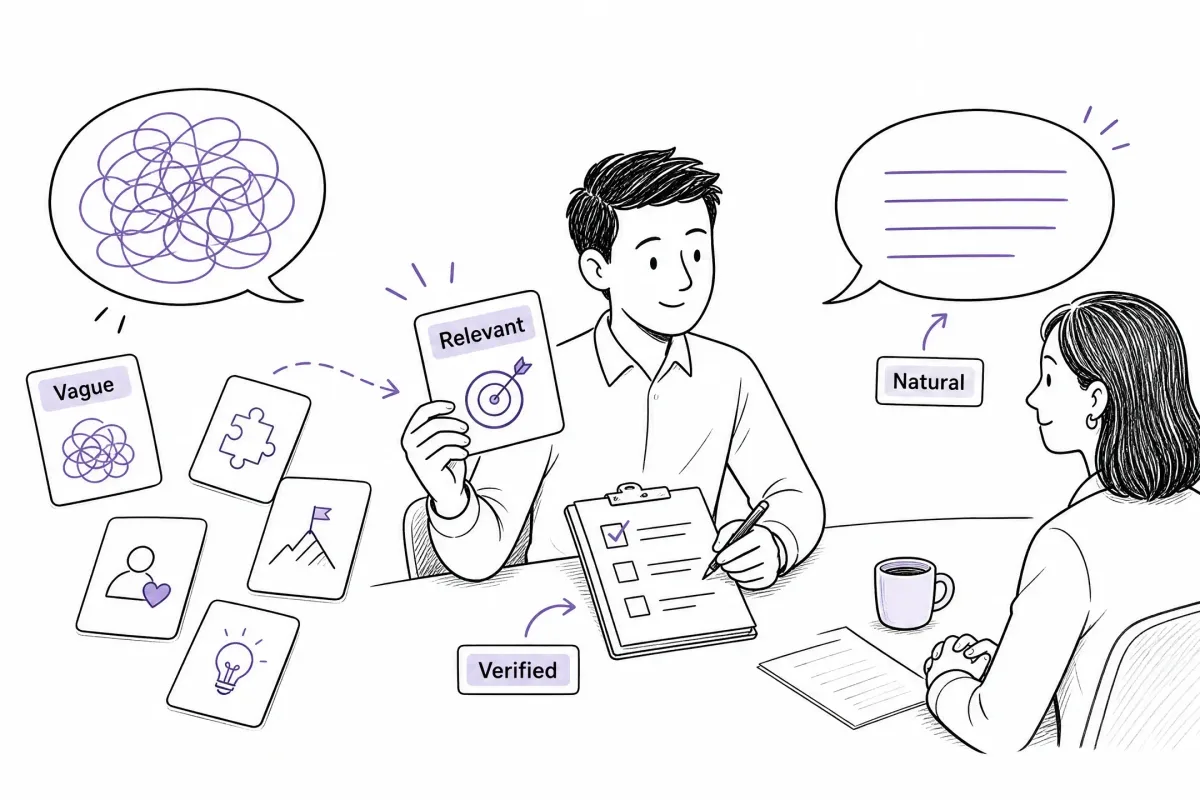
How to Practice Without Sounding Scripted
Write down five cues:
- strength;
- situation;
- action;
- result;
- fit.
Practice from those cues instead of memorizing a paragraph. Your wording can change, but the facts should remain consistent.
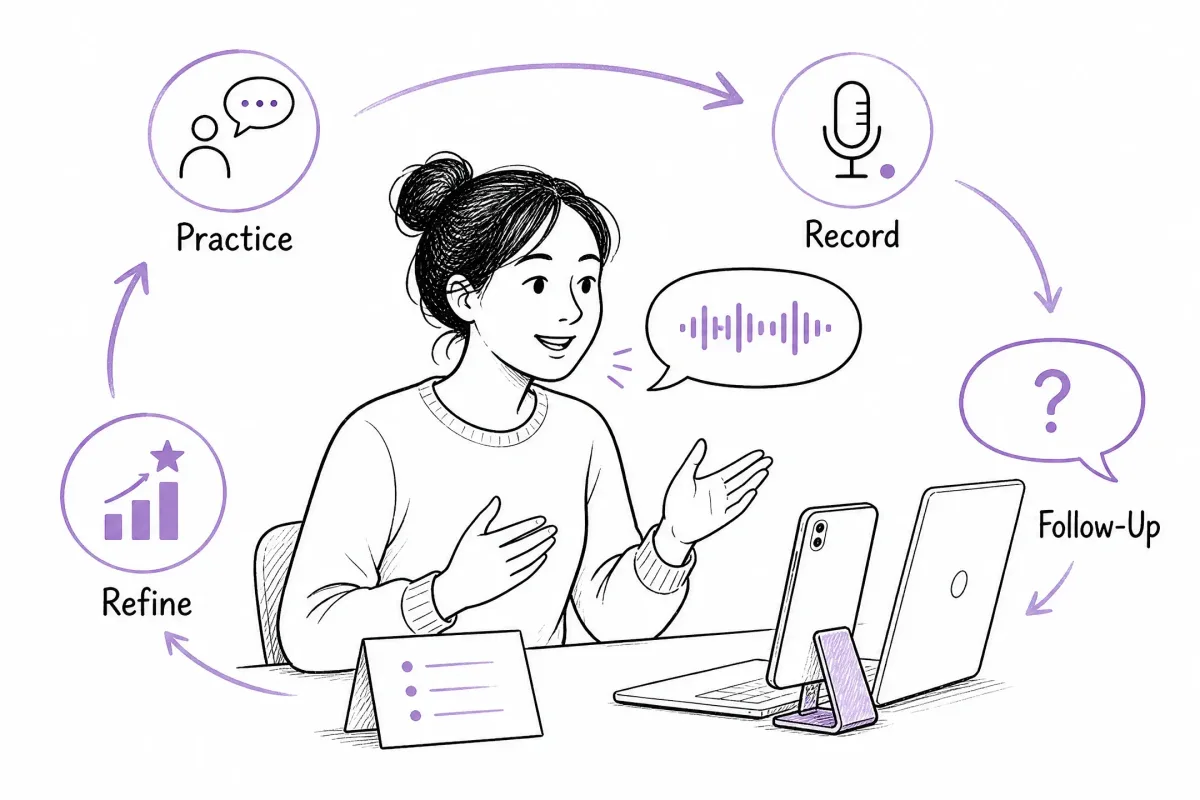
Then practice likely follow-ups:
- “Can you give me another example?”
- “How did you measure the result?”
- “When has this strength been less useful?”
- “How would this strength help you in this role?”
Review your answer for four qualities:
- Clarity: Is the strength obvious in the first sentence?
- Evidence: Does the example show what you personally did?
- Relevance: Does the answer connect to the job?
- Credibility: Can you defend every detail if asked?
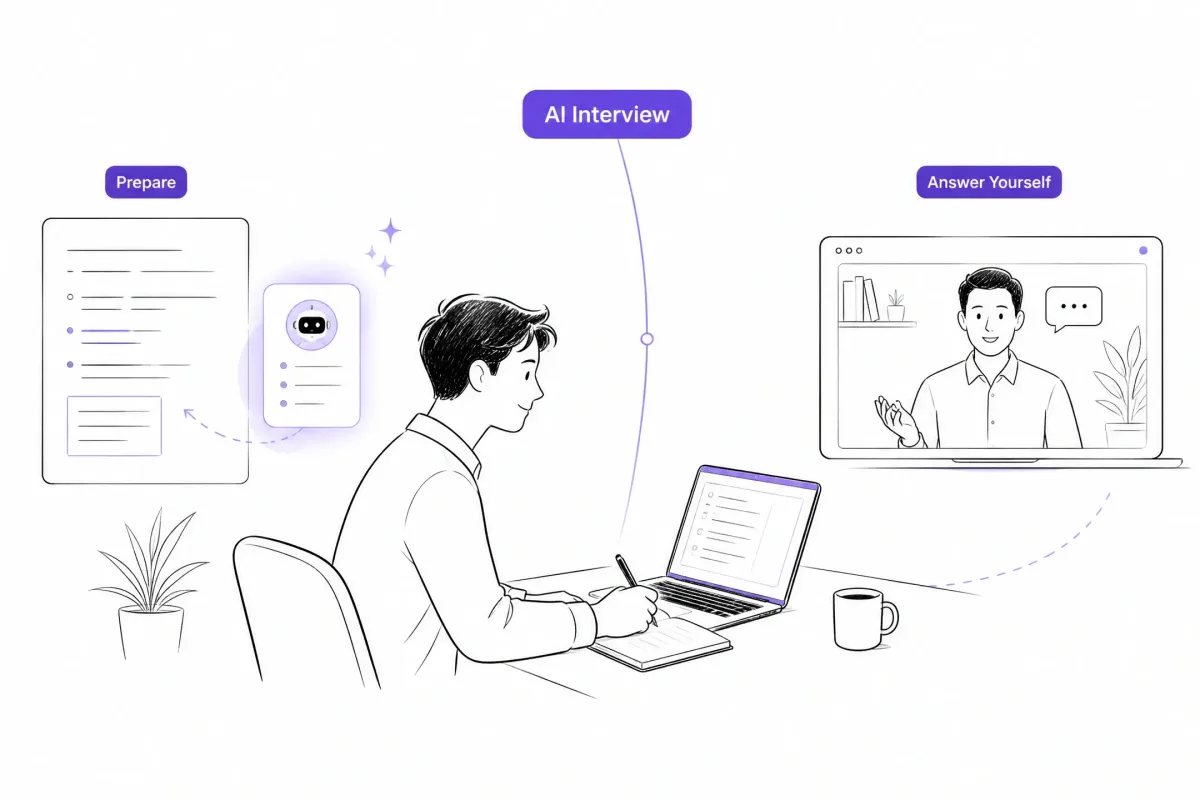
You can rehearse with a friend, record yourself, or use GreatOffer’s real-time AI interview copilot to practice keeping your answer focused while responding to interview questions. The tool can support preparation, but the experiences and facts in your answer must remain your own.
Disclaimer: This guide provides general interview-preparation information and does not guarantee a hiring outcome. Follow the employer’s and interview platform’s rules before using any assistance tool during an interview.
Quick Checklist Before Your Interview
- My main strength is relevant to the job description.
- I can explain the strength in one clear sentence.
- My example is real and recent enough to remember accurately.
- I describe what I personally did.
- Every metric or outcome is verified.
- I connect the strength to the new role.
- I have two backup strengths with evidence.
- I can speak naturally without reading a script.
Your Best Strength Is the One You Can Prove
A credible answer does not need a rare quality or a dramatic story. Choose a capability the role requires, support it with a real example, and explain how it would help you perform the new job. When your strength, evidence, and role fit align, the answer becomes easier to remember—and easier for the interviewer to trust.
Sources
- O*NET OnLine: Occupational tasks, skills, work activities, and work styles
- Harvard Business Review: How to Answer “What Are Your Strengths and Weaknesses?”
- Indeed Career Guide: Interview Question: What Is Your Greatest Strength?
- The Muse: How to Answer “What’s Your Greatest Strength?”
- Coursera Career Support: Strengths and Weaknesses for Job Interviews