
You need work, but every direction pulls differently. Should you rewrite the resume, apply to more roles, network, learn a skill, or practice interviews? The answer depends on where the job search is actually breaking down, and most people are guessing.
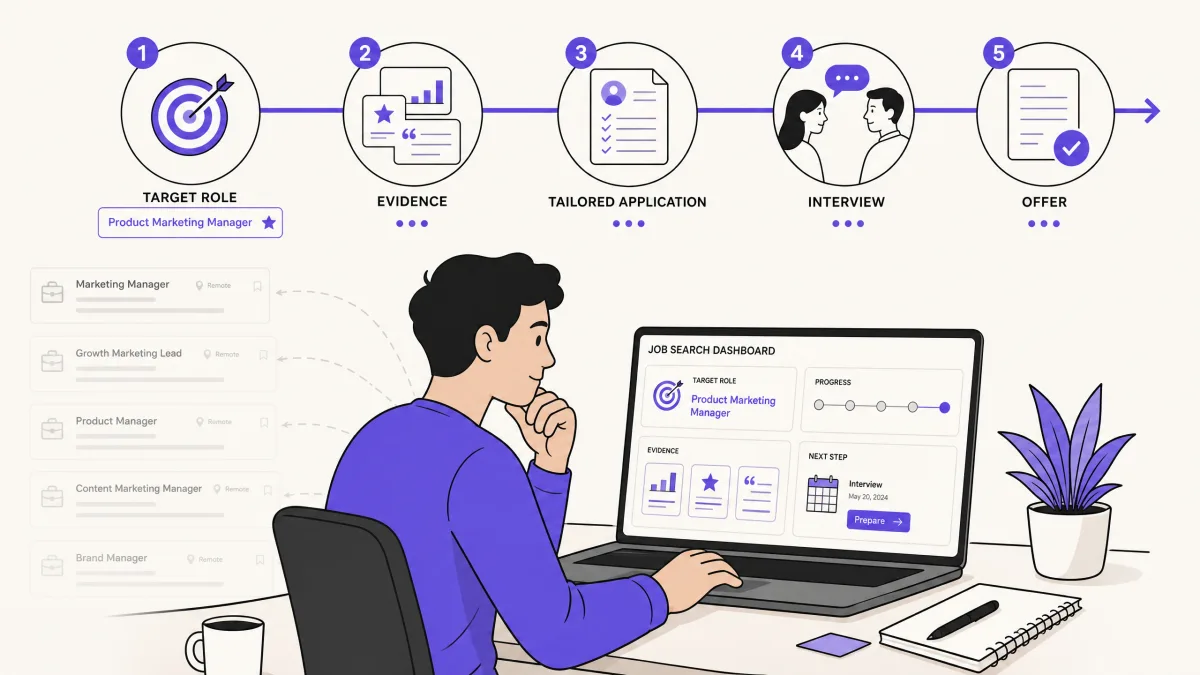
Getting a job means converting your capabilities into an employment offer by targeting a specific role, demonstrating fit through evidence, reaching decision-makers, and successfully completing the hiring process. It is not one act of submitting a resume. It is a sequence of conversions: create fit, make that fit legible, reach the right people, convert conversations into interviews, and turn interviews into an offer. When the sequence stalls, adding more volume at the wrong stage wastes time and confirms nothing.
The job market is tighter than it was a few years ago. In 2025, 13% of U.S. adults started a new job, down from 15% in 2022, and 60% of job changers said the new job was better, down from 72% in 2022, according to the Federal Reserve's Survey of Household Economics and Decisionmaking. Job transitions are still happening, but they require a tighter, more deliberate process.
This guide treats job searching as a system you can inspect and repair. You will see how to choose a realistic target, match evidence to requirements, build a focused application package, search through multiple channels, diagnose where applications stall, prepare for interviews, and evaluate offers. The tools below (Job Target Contract, Evidence-to-Requirement Matrix, Application Quality Gate, Job Search Funnel Dashboard, and 30-Day Sprint) tell you what to change next instead of repeating the same losing pattern.
Quick Start: Your First 3 Actions Today
- Fill in the Job Target Contract to narrow your search boundaries
- Complete the Evidence-to-Requirement Matrix for one target role
- Track your applications using the Job Search Funnel Dashboard
How to Get a Job: Start With a Specific Target, Not a Generic Search
A vague search produces vague resumes, weak applications, and interview stories that do not land. Employers hire for defined roles with specific responsibilities, not for general ambition. Your first task is to turn "I need a job" into a target you can prepare for.
Turn "I need a job" into a target role
Define the role family, seniority, location or work mode, industry, and non-negotiables. A target does not have to be a single job title, but it must be specific enough to guide what evidence you highlight and which postings are worth tailoring an application for.
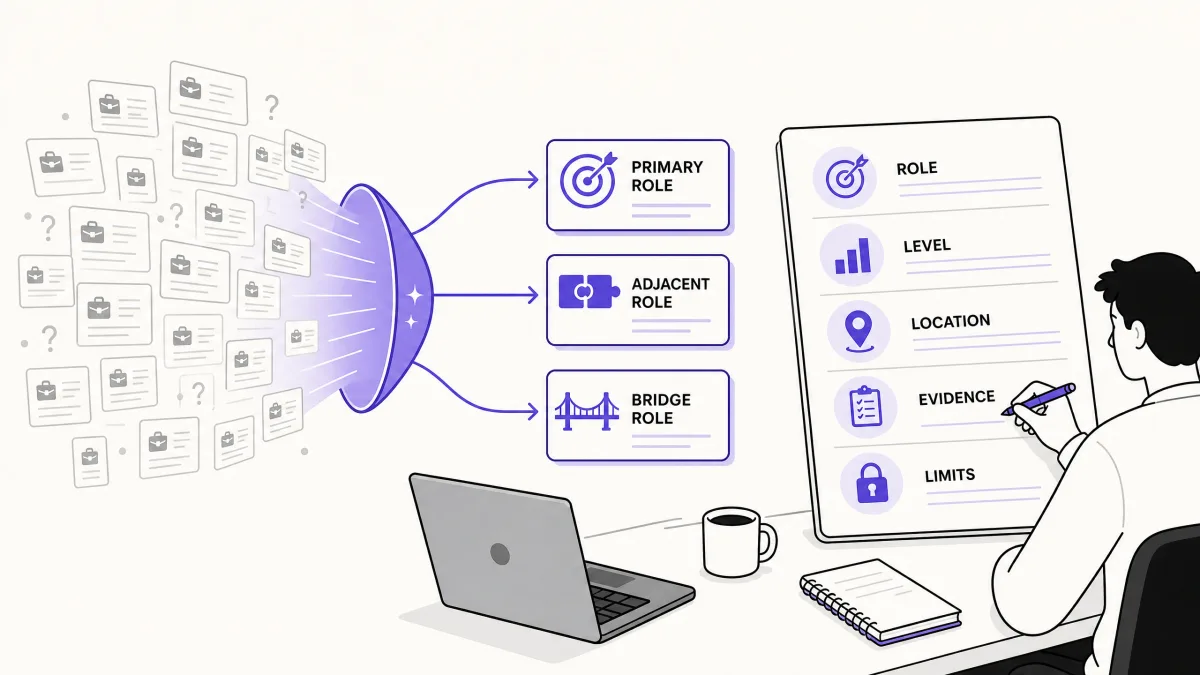
If you are changing careers, returning after a gap, or entering the workforce for the first time, you may need a primary target (the role you want), adjacent roles (credible alternatives that use overlapping skills), and bridge roles (positions that build the missing credential or experience). Do not start by assuming you must accept a lower-level job. Start by mapping what you can demonstrate now.
Use the Job Target Contract
Fill in this worksheet before you start applying. It clarifies your search boundaries and prevents you from chasing every posting that sounds vaguely interesting.
| Field | Your answer |
|---|---|
| Primary target role | One clear job title or role family |
| Adjacent roles | Up to three credible alternatives |
| Must-have evidence | Three capabilities the role requires |
| Constraints | Location, schedule, authorization, pay floor, or other real limits |
| Expansion rule | What would make you widen the search |
This is not a commitment to ignore other opportunities. It is a filter that tells you when an application is worth customizing and when you are just filling time.
Research the role before preparing materials
Read several current job descriptions for your target role. Note recurring responsibilities, tools, outcomes, and screening requirements. Pay attention to what employers ask about in the qualifications section, not just the wish-list at the end.
Do not copy every keyword into your resume. Extract the underlying capability each keyword represents, then decide whether you can demonstrate it truthfully.
Build an Evidence-to-Requirement Map
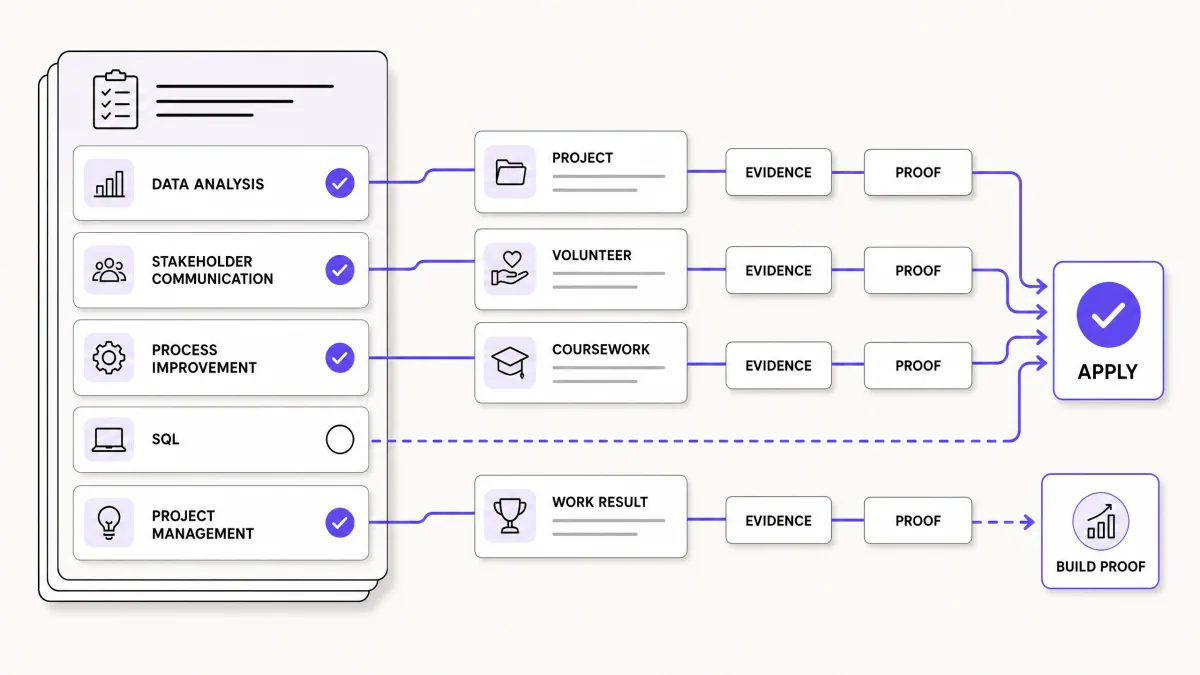
Employers evaluate evidence of capability, not only job titles. The job description lists what they need. Your task is to map what you have done to what they are assessing.
Separate experience from proof
Acceptable evidence includes paid work, projects, internships, coursework, volunteer work, community responsibilities, freelance work, caregiving, self-directed learning with output, or any other truthful experience that demonstrates the required capability. The question is not whether the experience came from a formal employer. The question is whether you can show you did the work and produced a result.
Never invent employment, inflate results, or represent incomplete coursework as work experience. Employers verify, and a fabricated claim disqualifies you even if the rest of your background is strong.
Create the Evidence-to-Requirement Matrix
For each role you are seriously considering, fill in this table:
| Job requirement | My evidence | Result or proof | Missing evidence | Next action |
|---|---|---|---|---|
| Example: "Manage project timelines and coordinate team deliverables" | Led a 6-person volunteer event committee for 4 months | Event launched on schedule with 200 attendees and sponsor renewals | No paid project management role | Apply now; explain volunteer scope clearly |
Walk through the job description line by line. Do not skip requirements that feel obvious. If you cannot fill in the "my evidence" column with something specific, that is useful information. You either need to build that proof before applying, or you need to acknowledge that this particular role is not a match.
Decide whether to apply now or build proof first
| Apply now when | Build proof first when |
|---|---|
| You meet the core requirements and can show credible evidence | A true gatekeeping requirement is missing and can be built quickly |
| The role is clearly adjacent to existing experience | You cannot explain what you would deliver in the role |
| The application offers useful market feedback | The gap is a license, authorization, or non-negotiable requirement |
If you need to build proof and the gap is something you can address in weeks or a few months, building it is often faster than applying to hundreds of roles you are not qualified for. If you have no formal experience but strong adjacent proof, applying selectively to entry-level or adjacent roles makes sense now.
For a deeper guide to translating non-traditional experience into job-search proof, see how to get a job with no experience.
Essential Materials to Get a Job Offer
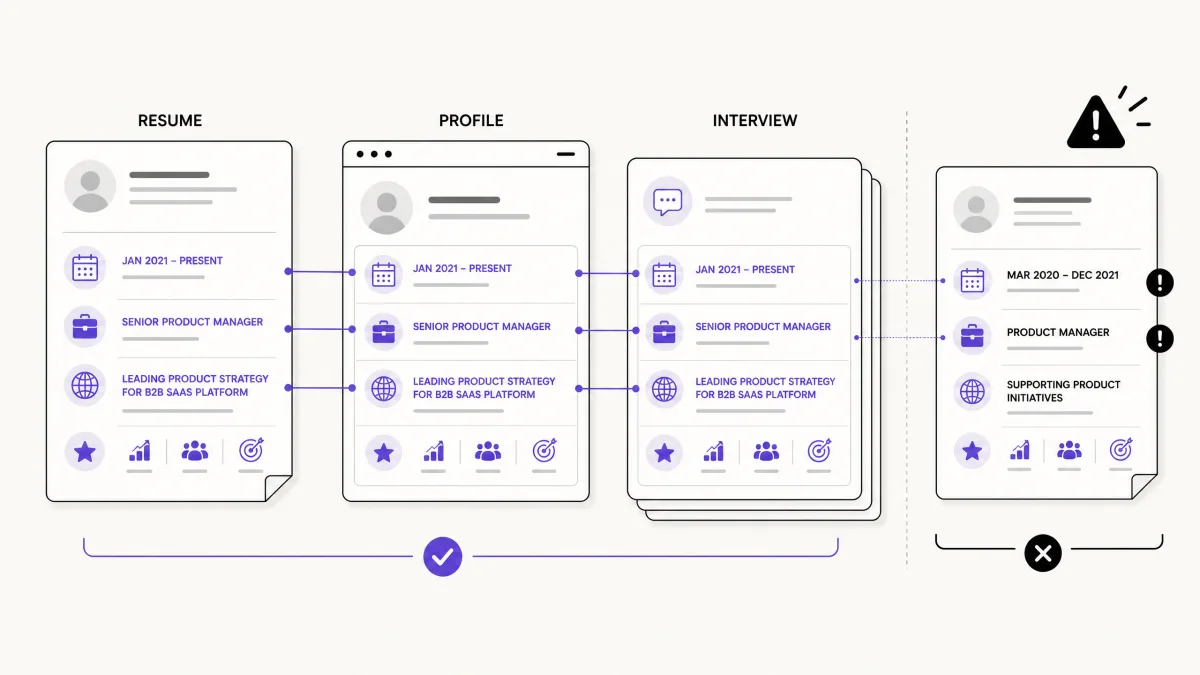
You need a resume, a consistent online profile, and prepared interview stories. Each piece serves a different part of the hiring process, and all three must tell the same story.
Build the resume around the target role
Lead with relevant evidence, not a generic objective. Mirror the language of the job description only where it truthfully describes your experience. Use accomplishment bullets with action, context, and result. Keep dates, titles, and employment history accurate.
A strong resume shows what you delivered, not what you were responsible for. "Responsible for customer support" is a job description. "Resolved 95% of customer issues within 24 hours, reducing escalations by 30%" is evidence.
Align the rest of the package
Your LinkedIn or other public professional profile should use the same dates, titles, and role scope as your resume. Do not create unexplained contradictions. A recruiter who sees different employment timelines or conflicting job titles will assume one version is false.
A cover letter is optional. Use one when it adds context (explaining a career change, a gap, or why you are targeting this company) or demonstrates fit that the resume alone does not make clear. Do not write a cover letter that only repeats your resume summary.
If the role benefits from a portfolio, work samples, or project links, prepare them and make them easy to access. Reference them in your resume or application when relevant.
Prepare your references and contact details in advance. Have three to five people who can speak to your work, and confirm they are willing to be contacted before you list them.
Build interview stories now, not the night before a call. Each story should match a bullet on your resume. If you wrote "Led a project that improved efficiency by 20%," you should be able to explain the problem, your action, the result, what went wrong, what you learned, and what you would do differently.
Run a consistency check
Spend five minutes checking: same dates across resume and profile, same role scope, no unexplained contradictions, no confidential employer information, and no unsupported claims. This prevents screening failures that have nothing to do with your qualifications.
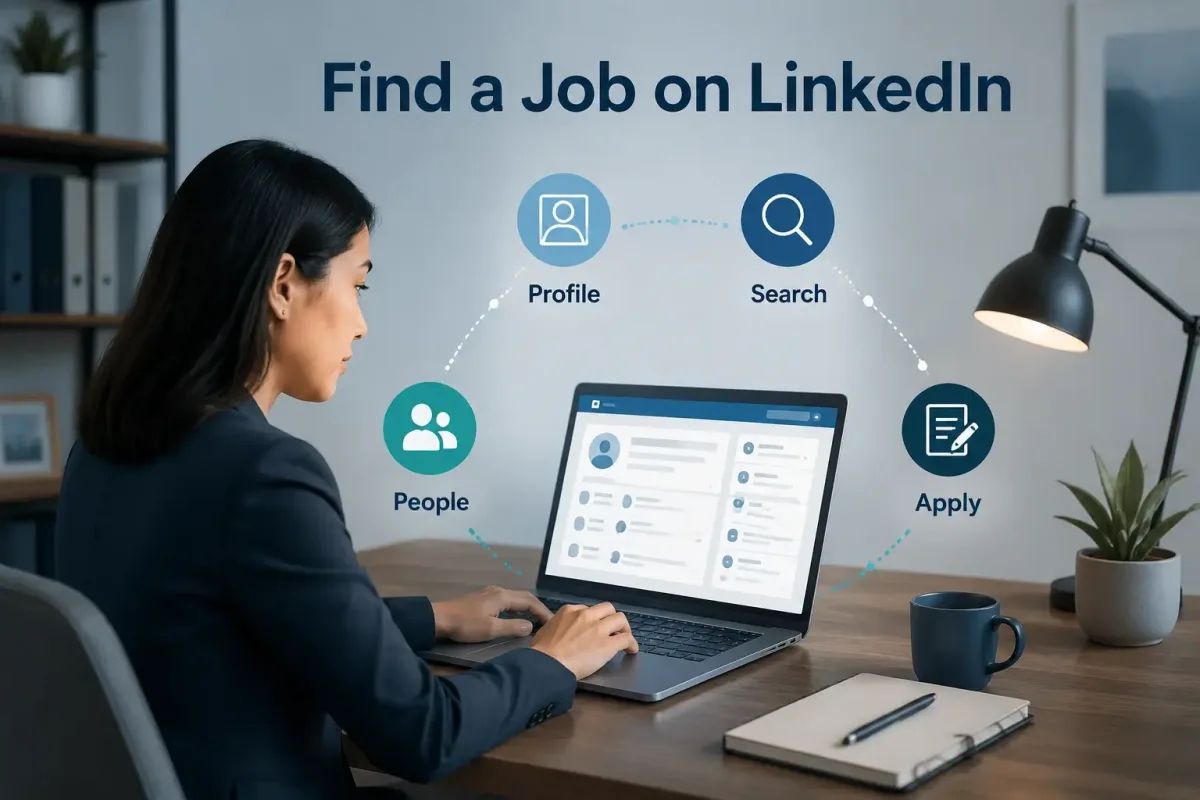
For detailed resume guidance, see how to make a resume stand out. For LinkedIn-specific tactics, see how to find a job on LinkedIn.
Build an Opportunity Portfolio Instead of Using One Job Board
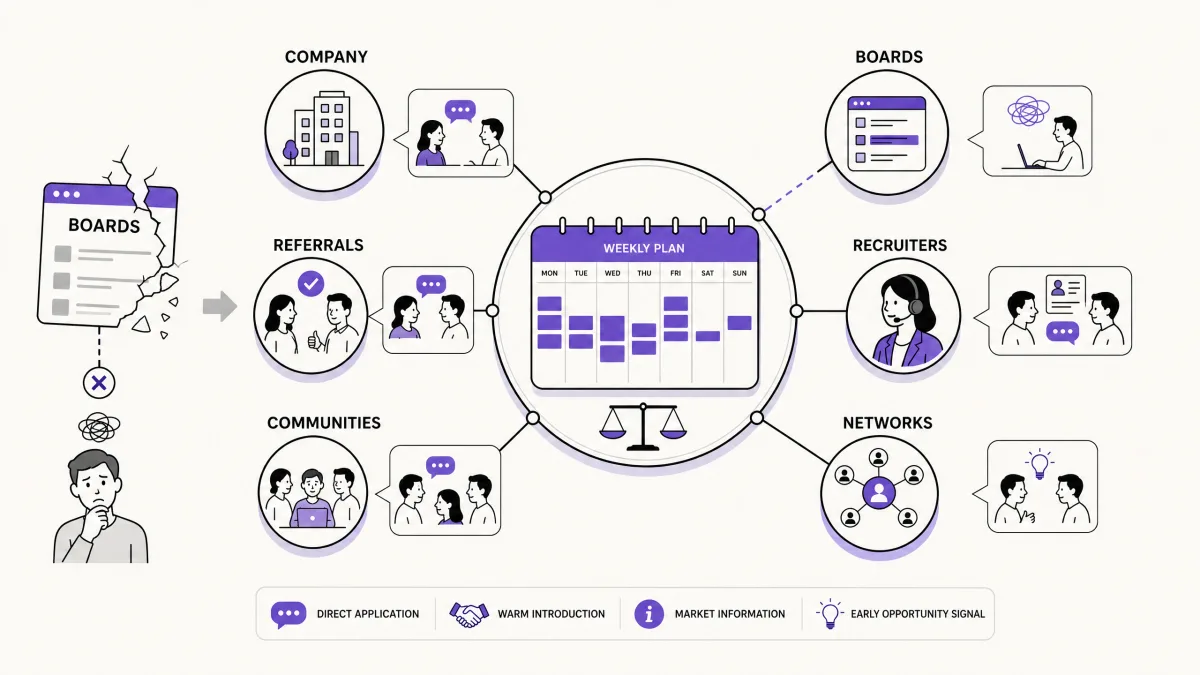
Different channels serve different purposes. Relying on one job board is like fishing in one spot and concluding there are no fish. You need multiple lines in the water.
Use different channels for different jobs
Each channel solves a different problem in the hiring process:
Company career pages let you find roles early and apply directly, avoiding job-board noise. They work when you already know which companies you want to work for.
Job boards (Indeed, LinkedIn, Glassdoor, ZipRecruiter, niche boards for your industry) aggregate openings and let you search by keyword, location, and role. They work for discovery but create high competition on popular postings.
Referrals and warm introductions borrow trust from someone the employer already knows. They work when you have a network or can build one, and they dramatically improve your odds of getting a real conversation.
Recruiters and staffing firms have access to roles that are not publicly posted and can provide market information about salary, demand, and fit. They work when the role and your background align with what the recruiter places.
Professional communities and events (industry Slack groups, meetups, conferences, online forums) help you learn, become visible, and hear about opportunities before they are posted. They work slowly but compound over time.
School, alumni, or industry networks can connect you with people who share context and may refer you or provide advice. They work when you participate rather than only asking for favors.
Public workforce resources like CareerOneStop, American Job Centers, state job banks, and USAJOBS provide free job search help, training programs, and listings. They work when you need structured support or are exploring federal and state opportunities.
Use the Opportunity Portfolio worksheet
Plan your week across channels rather than spending all your time refreshing one job board.
| Channel | Purpose | Example action | Signal to track |
|---|---|---|---|
| Direct applications | Reach open roles | Submit a tailored application | Qualified applications sent |
| Referrals | Borrow trust and context | Ask for advice or a referral | Conversations and introductions |
| Company pages | Find roles early or directly | Review target employers weekly | Relevant openings found |
| Communities | Learn and become visible | Contribute or ask a specific question | Useful replies received |
| Recruiters | Access roles and market info | Share a focused profile | Qualified recruiter conversations |
The channel mix above is an example planning tool, not an industry benchmark. Your actual allocation should reflect your time, network, role type, and market. The goal is to create multiple paths to a conversation, not to divide your week into rigid percentages.
Apply Selectively With an Application Quality Gate
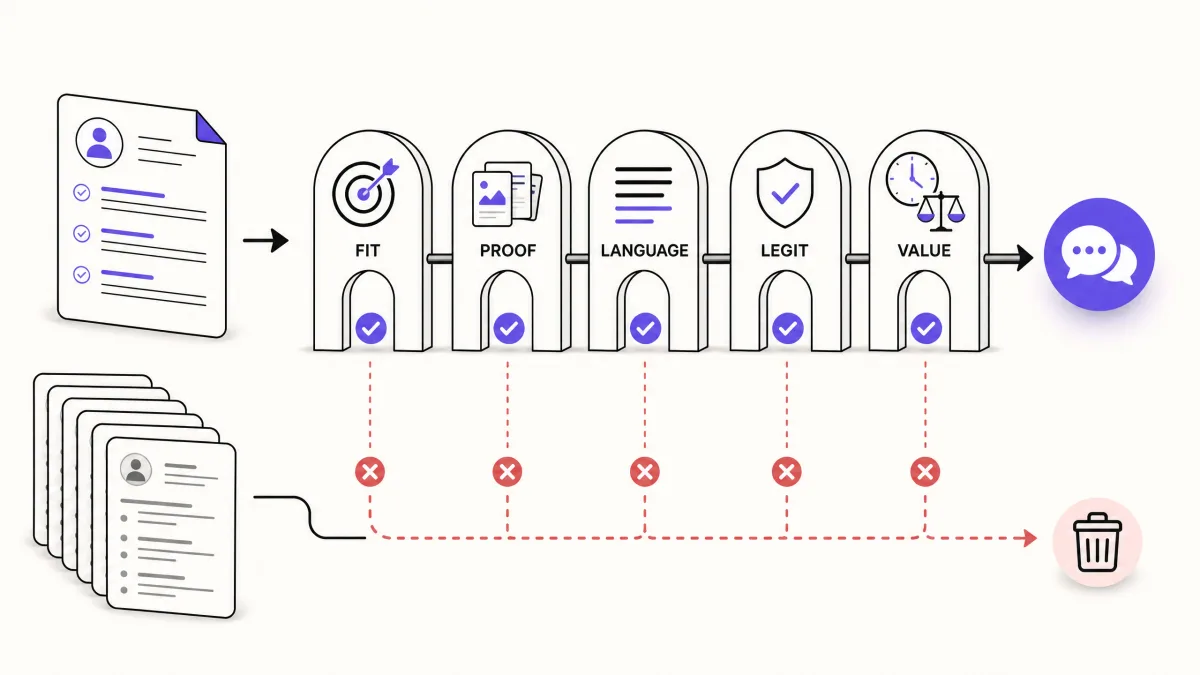
High-quality applications take time. Sending 100 identical resumes to mismatched roles produces noise, not signal. The goal is to create enough high-quality attempts to generate useful feedback and conversations.
Decide whether an application is worth tailoring
Run five checks before you customize an application:
-
Do I meet the real must-have requirements? Distinguish gatekeeping requirements (license, authorization, specific degree, years of experience in a critical skill) from wish-list items. If you are missing a gatekeeping requirement, move on unless you can address it quickly.
-
Can I point to two or three truthful pieces of evidence? If you cannot think of specific examples that match the role, your application will read generic and your interview answers will be vague.
-
Does my resume use the role's relevant language accurately? If the posting asks for "project coordination" and your resume says "task management," adjust the wording where it truthfully reflects what you did. Do not keyword-stuff. Match language only when it is accurate.
-
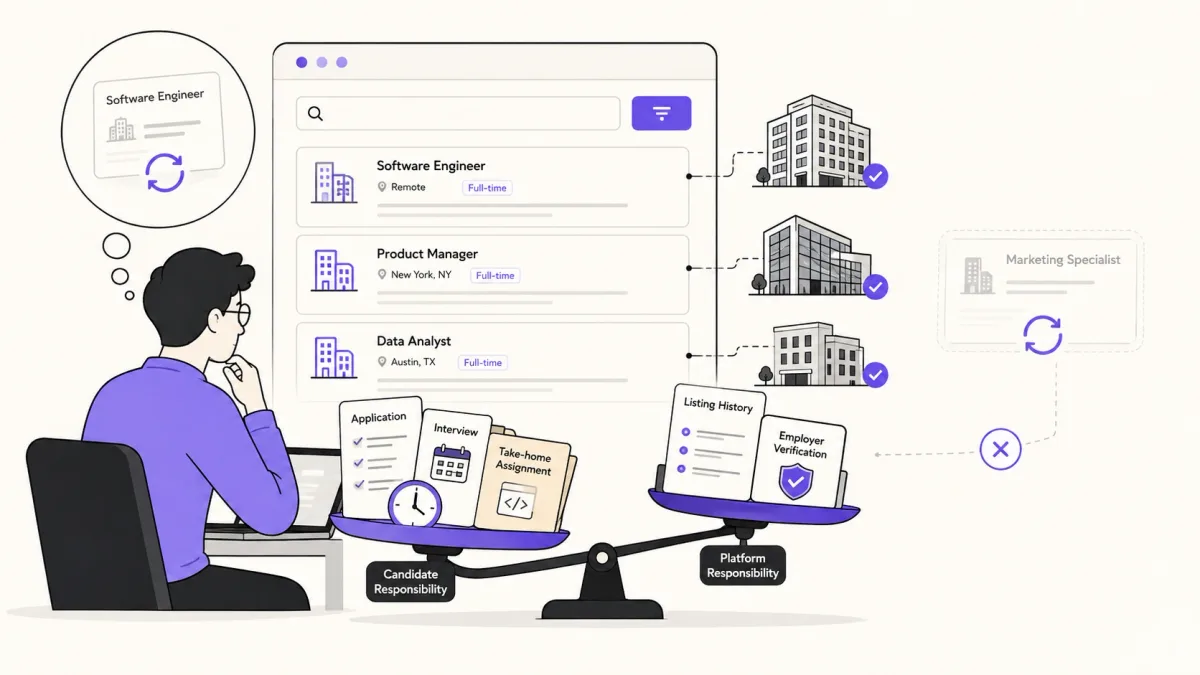
Have I checked the employer and posting for basic legitimacy? Verify the company through its official website and an independent contact path. Look up the company name plus "scam," "review," or "complaint." Watch for red flags: requests for payment, requests for banking information or Social Security number on the application, vague job descriptions, or pressure to act immediately.
-
Is the potential value worth the customization time? Not every posting deserves a tailored cover letter. Focus your effort on roles where you have strong fit and genuine interest.
Tailor the application without rewriting everything
Adjust the headline or summary only when it improves relevance. Prioritize the most relevant bullets by moving them higher or expanding the detail. Add a short, specific cover letter only when it helps (explaining a career change, a gap, or why this company).
Answer screening questions with evidence, not adjectives. "I am a team player" says nothing. "I coordinated a cross-functional team of five to deliver a project two weeks early" gives the screener something to evaluate.
Save a version of each application for interview preparation. If they call you three weeks later, you will want to remember what you emphasized.
Avoid spray-and-pray applications
Volume without learning creates noise. Sending 50 identical applications to roles you are not qualified for will produce 50 rejections and teach you nothing. The goal is not to apply to the fewest jobs. The goal is to create enough high-quality attempts to generate useful signal, learn what works, and adjust.
Network Without Sounding Desperate
Networking is not begging strangers for jobs. It is building relationships, gathering information, and creating contexts where people can help you when a relevant opportunity appears.
Start with information, not an immediate favor
Reconnect with people who can speak to the field or role you are targeting. Ask a focused question about the work, team, or hiring process. Keep the first message short and easy to answer.
Do not open with "Can you get me a job?" Most people cannot do that even if they want to help. They can answer a specific question, make an introduction, or keep you in mind when something relevant comes up.
Use a referral request that respects the other person
When you have built some rapport and a relevant role appears, ask in a way that makes it easy for the other person to help or decline.
Short message template:
Hi [Name], I'm exploring [role] work and noticed your experience in [area]. I'm trying to understand what strong candidates demonstrate in this field. If you have 15 minutes, I'd value one specific piece of advice. If a relevant role comes up later, I'd be grateful for your perspective on whether my background fits.
This gives them two ways to help (advice now, introduction later) without forcing them to make a hiring decision or stake their reputation on someone they barely know.
Conduct an informational interview
When someone agrees to talk, prepare four questions:
- What does a successful first 90 days look like in this role?
- What mistakes do new hires make most often?
- What skill or background element do strong candidates demonstrate?
- Who else should I talk to as I learn about this field?
After the conversation, send a brief thank-you message within 24 hours. Mention one specific thing you learned and one action you will take as a result. This makes the conversation feel useful to both of you and keeps the relationship active.
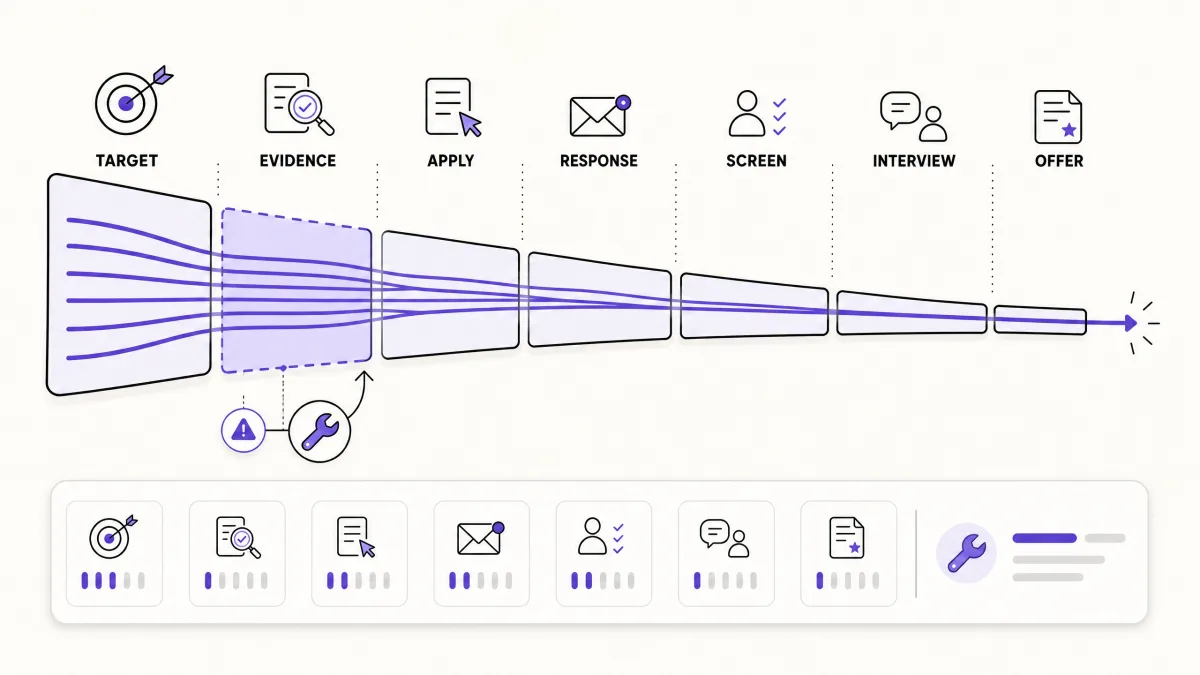
Track the Job Search Funnel and Repair the First Failing Stage
A job search can fail before you even submit an application. More volume will not fix every failure. You need to know which stage is breaking down.
Use the seven-stage funnel
Your job search moves through these stages:
Target → Evidence → Application → Response → Screen → Interview → Offer
Each stage has a conversion rate. If you are not converting at one stage, adding more volume at an earlier stage just creates more failures at the same chokepoint.
Diagnose symptoms instead of guessing
When you are not seeing progress, identify the symptom and repair the corresponding stage.
| Observed symptom | Likely stage to inspect | Repair action |
|---|---|---|
| The target list is huge and inconsistent | Target | Narrow the role family and define constraints |
| Applications are rejected quickly or receive no response | Evidence or Application | Improve match, proof, and application quality |
| Screening calls do not progress | Screening | Rewrite the 30-second positioning statement and basic answers |
| Interviews happen but offers do not | Interview | Review stories, role understanding, questions, and feedback |
| Offers arrive but feel unsafe or unclear | Offer | Verify terms, manager, work scope, and constraints |
The most common mistake is concluding "I am not getting hired" when the real problem is "I am targeting 15 different roles and none of my applications show strong fit." That is a targeting and evidence problem, not a volume problem.
You control which stage to fix. The market affects timelines, but the funnel shows you where to focus next.
Build a simple weekly dashboard
Track counts, not vanity metrics:
- Qualified roles reviewed
- Applications submitted
- Warm conversations
- Screens
- Interviews
- Offers
- One learning or repair action for the next week
These are process measures, not universal benchmarks. A week with two high-quality applications and one useful conversation is better than a week with 30 spray-and-pray applications and zero feedback.
For a detailed diagnostic when your search is stuck, see why can't I find a job. For interview-specific diagnosis, see getting interviews but no job offers.
Prepare for Screening Calls and Interviews
The interview is a conversion step, not a recitation of your resume. The interviewer's job is to evaluate whether you can do the work, whether you understand the role, and whether you will succeed in their environment. Your job is to make that evaluation easy.
In a decade of coaching, the pattern I see most often is candidates who can do the work but cannot show it in a 45-minute conversation. They answer questions with vague summaries instead of specific evidence. They wait for the interviewer to ask the perfect question instead of steering the conversation toward their strongest proof. The interview is not about whether you have the skills. It is about whether you can make those skills visible under time pressure.
Prepare from the job description
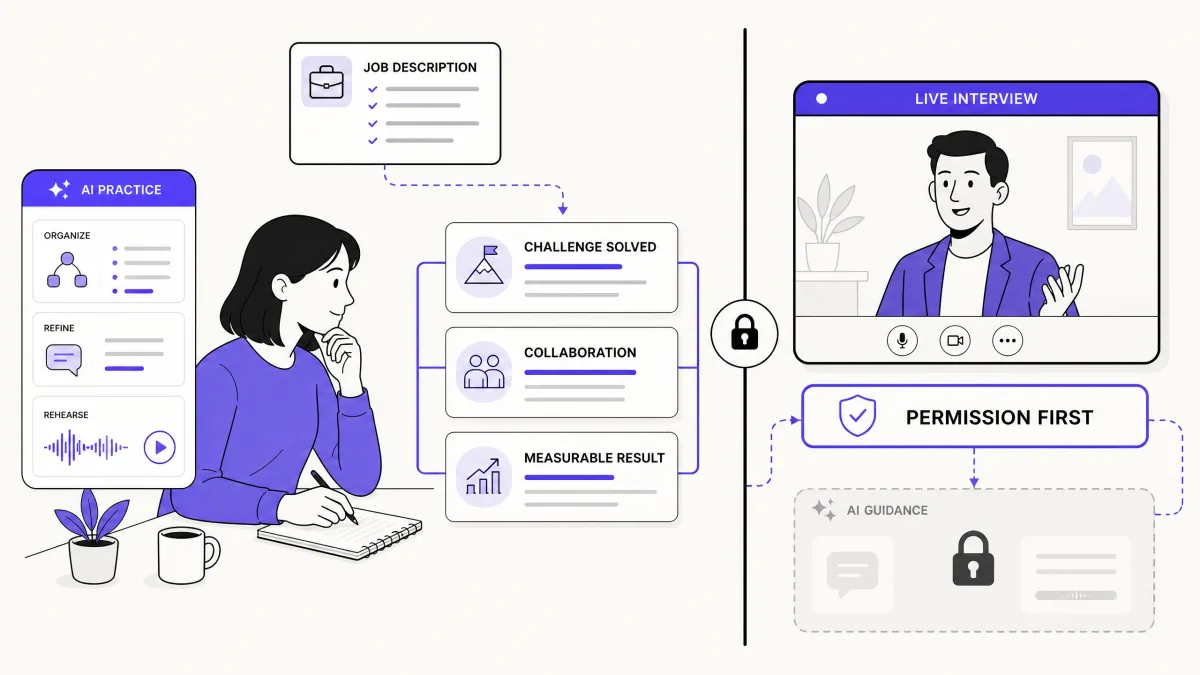
Select three requirements from the posting and prepare one evidence story for each. Build a concise answer to "Tell me about yourself" that positions your background in terms of what this role needs, not a chronological life story.
Prepare one story about a challenge you solved, one about collaboration, and one about measurable results when truthful. Do not memorize scripts. Prepare the structure (situation, action, result, what you learned) and practice telling each story naturally.
Research the company, the role, the interviewer if you know who it is, and the likely evaluation criteria. Understand what the company does, what problems the team solves, and what success looks like in this role.
For a complete interview preparation checklist, see how to prepare for a job interview.
Treat the interview as a conversion step
The goal is not to sound impressive. The goal is to make your evidence easy to evaluate, ask useful questions that show you understand the role, and demonstrate how you would operate if hired.
Weak answers are vague: "I'm a hard worker and I learn quickly." Strong answers are specific: "I rebuilt the onboarding process by interviewing 12 new hires, identifying three common blockers, and creating a checklist that cut onboarding time from six weeks to four."
Permission-first rule for AI assistance
Great Offer AI can provide real-time interview assistance when the employer, assessment provider, and platform allow it. Its Focus Mode displays guidance on your own screen and does not appear in screen shares. That is a display behavior, not permission.
Focus Mode does not create employer permission, it does not satisfy a disclosure requirement, and it does not make live use appropriate in a round that expects unaided answers. The safest general use is preparation, practice, and review. Real-time use belongs only in interviews where the employer and the platform permit it.
Silence does not create permission, and undisclosed use outside the stated guidelines may be disqualifying. If you are considering live AI assistance, read the written policy first, and when the rule is unclear, ask before the interview.
For a full discussion of when AI assistance crosses ethical lines, see is interview copilot cheating. For guidance on discussing AI in interviews, see how to talk about AI in job interviews.
Close the loop after each interview
Record the questions asked while memory is fresh. Note which evidence landed and which answer felt vague. This feedback tells you what to adjust before the next interview.
Send a concise thank-you or follow-up message when appropriate. Keep it brief, specific, and focused on the role rather than restating your qualifications. The goal is to stay top-of-mind and confirm your interest, not to re-interview yourself.
Follow Up, Evaluate, and Convert an Offer
Following up appropriately keeps you top-of-mind without becoming noise. Evaluating an offer carefully prevents you from accepting a role that looks good on paper but fails in practice.
Follow up without over-messaging
Follow the employer's stated timeline when one exists. If they said "we will reach out by Friday," wait until Monday before following up. If they gave no timeline, wait one week after the interview, then send one useful, concise follow-up rather than repeated emotional check-ins.
A good follow-up restates your interest, references a specific part of the conversation, and offers one piece of additional context if relevant. A bad follow-up just says "checking in" or repeats what you already said in the interview.
For detailed follow-up timing and templates, see how to follow up on a job application.
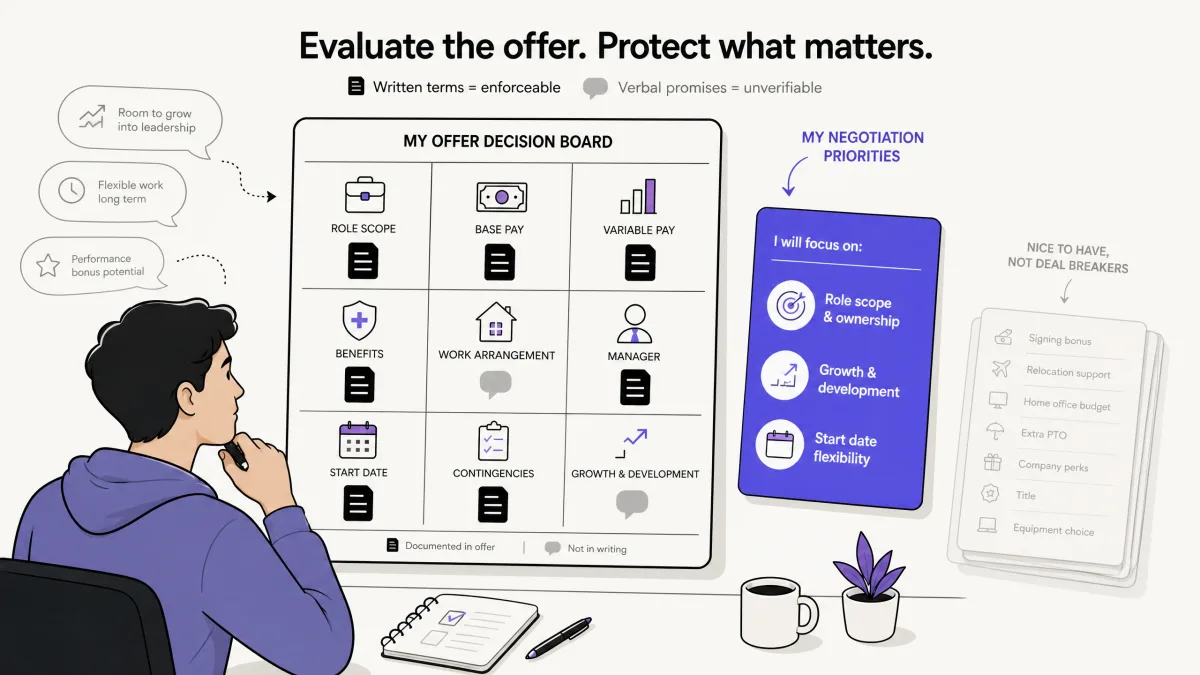
Evaluate the whole offer
Do not evaluate an offer based only on the job title and base salary. Use this checklist:
- Role scope and level
- Base pay and variable pay (bonus, commission, equity)
- Benefits and eligibility dates
- Work location and schedule
- Manager and team (who you will report to and work with daily)
- Start date and contingencies (background check, drug test, references)
- Growth, workload, and constraints
- What is written in the offer letter versus only promised verbally
If something important was discussed but is not in writing, ask for clarification before you accept. Verbal promises that are not documented often disappear after you start.
Negotiate with evidence and priorities
Negotiation works when you have evidence of your value, knowledge of market rates, and clarity about your priorities. It does not work when you bluff about competing offers you do not have or make demands with no justification.
If you want to negotiate salary, research market rates for the role, level, location, and industry. State your request with a reason: "Based on my research of market rates for this role in [city] and my [specific experience or credential], I was expecting a base salary in the range of [X to Y]. Is there flexibility?"
When you have a real competing offer, share it transparently: "I have another offer at [company] with [specific terms]. I prefer your role because [specific reason related to work, team, or growth]. Is there flexibility on [specific item]?" Use it as context for your priorities, not as leverage to force a match.
Do not negotiate everything. Pick the two or three things that matter most to you (base salary, remote work, start date, title, equity) and focus there. Negotiating every line item signals that you will be difficult to work with.
Adapt the Plan for Common Job-Seeker Situations
Different starting points require different first moves. This table gives you the adjustment and next step for common situations.
| Situation | First adjustment | Link or next step |
|---|---|---|
| No formal experience | Translate projects, school, volunteer, or other truthful evidence | How to get a job with no experience |
| Career changer | Target adjacent roles and explain transferable outcomes | Return to the Evidence Matrix |
| Employment gap | Keep the timeline accurate and prepare a brief, forward-looking explanation | Can you get a job with an employment gap |
| Need a job quickly | Use a broader but still legitimate channel mix; separate bridge work from long-term targets | Do not promise yourself a fixed hiring timeline |
| No network | Build informational conversations through communities, alumni, events, and public resources | Start with one specific question |
| Many interviews, no offers | Diagnose the interview stage before changing the whole career target | Getting interviews but no job offers |
Do not treat every situation as requiring a complete restart. Most problems are at one stage of the funnel, and you can fix that stage without rebuilding everything.
Protect Yourself From Job Scams and Privacy Mistakes
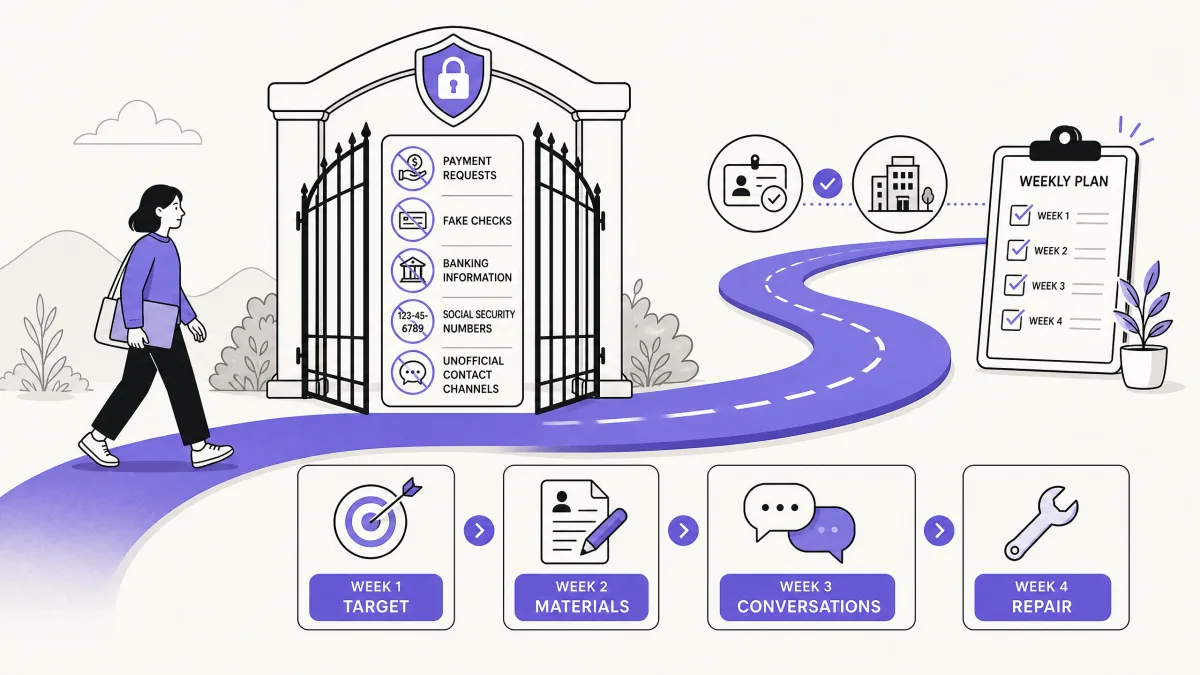
Job scams target people who need work and are willing to move quickly. Protecting yourself does not require paranoia. It requires a few hard rules.
Run the Scam and Privacy Gate before sharing sensitive information
Do not pay to obtain a job. If someone asks you to pay for training, a background check, equipment, or certification as a condition of getting hired, that is a scam. According to the Federal Trade Commission, honest employers will never ask you to pay to get a job.
Treat "deposit a check, then send money back" as a scam pattern. This is a fake check scam. The check will bounce, and the bank will want you to repay the amount.
Verify the company through its official website and an independent contact path. Look up the company name plus "scam," "review," or "complaint." If the posting lists a well-known company but uses a Gmail address or asks you to interview on an unofficial platform, verify it with the company directly.
Do not put your Social Security number or banking information on a resume or job application. Employers may ask for your Social Security number during the interview process to run a background check, and they may ask for banking information after you are hired for direct deposit, but neither belongs on an application or resume, according to FTC guidance on background checks and your rights.
Background checks require your written permission. If an employer runs a background check, they must get your written permission first, and you have the right to request an additional free report within 60 days of the employer's decision.
Know when to seek specialized help
If you believe you have experienced discrimination, retaliation, or need a reasonable accommodation, review the guidance on the EEOC's page for employees and job applicants. The EEOC page covers protections, the charge-filing process, and what to do if you believe your rights were violated. Do not rely on general articles for individual legal advice. Consult the official guidance or speak with an employment attorney when your situation requires it.
Run a 30-Day Job Search Sprint
If you are starting from scratch or restarting after a long break, use this four-week structure to build momentum.
| Week | Focus | Deliverables |
|---|---|---|
| Week 1 | Target and evidence | Job Target Contract, role research, Evidence Matrix |
| Week 2 | Materials and channels | Resume version, profile update, opportunity portfolio, target employer list |
| Week 3 | Applications and conversations | Quality-gated applications, informational conversations, referral requests |
| Week 4 | Conversion and repair | Screening or interview practice, dashboard review, one stage repair |
This is a planning structure, not a promise that you will be hired in 30 days. Hiring timelines vary by role, industry, seniority, and market. The sprint gives you a way to organize effort and see progress.
If you have limited time, use a minimum viable week: one high-quality application, one useful conversation, one evidence improvement, and one review of the funnel. That is enough to generate signal and learning.
Sources
- USA.gov: How to Find a Job
- Federal Trade Commission: Job Scams
- Federal Trade Commission: Employer Background Checks and Your Rights
- U.S. Equal Employment Opportunity Commission: Employees and Job Applicants
- Federal Reserve: Survey of Household Economics and Decisionmaking, Employment and Job Quality
Getting a job is a system, not a mystery. Choose one target, complete the Evidence Matrix, and identify the first failing stage this week. When interviews become the bottleneck, Great Offer AI can provide real-time interview assistance in permitted settings. Focus Mode keeps guidance on your screen and out of screen shares, but that does not replace permission. Check the employer's and platform's rules first.